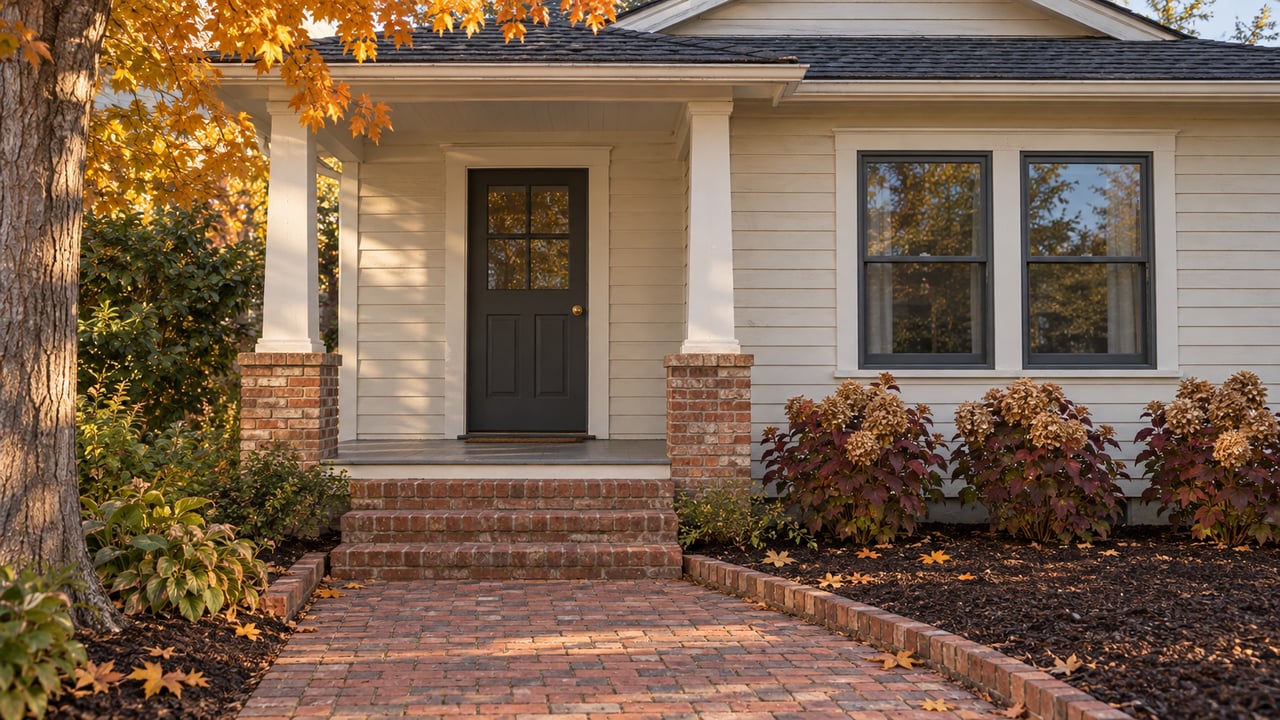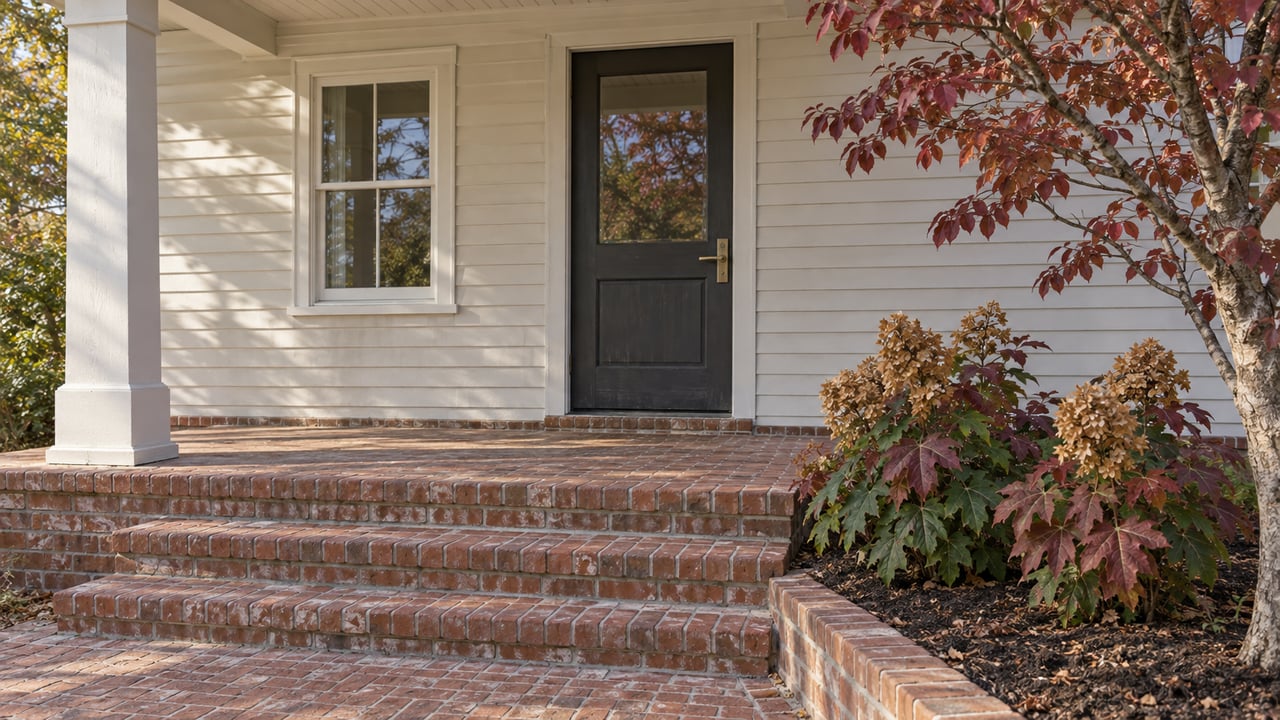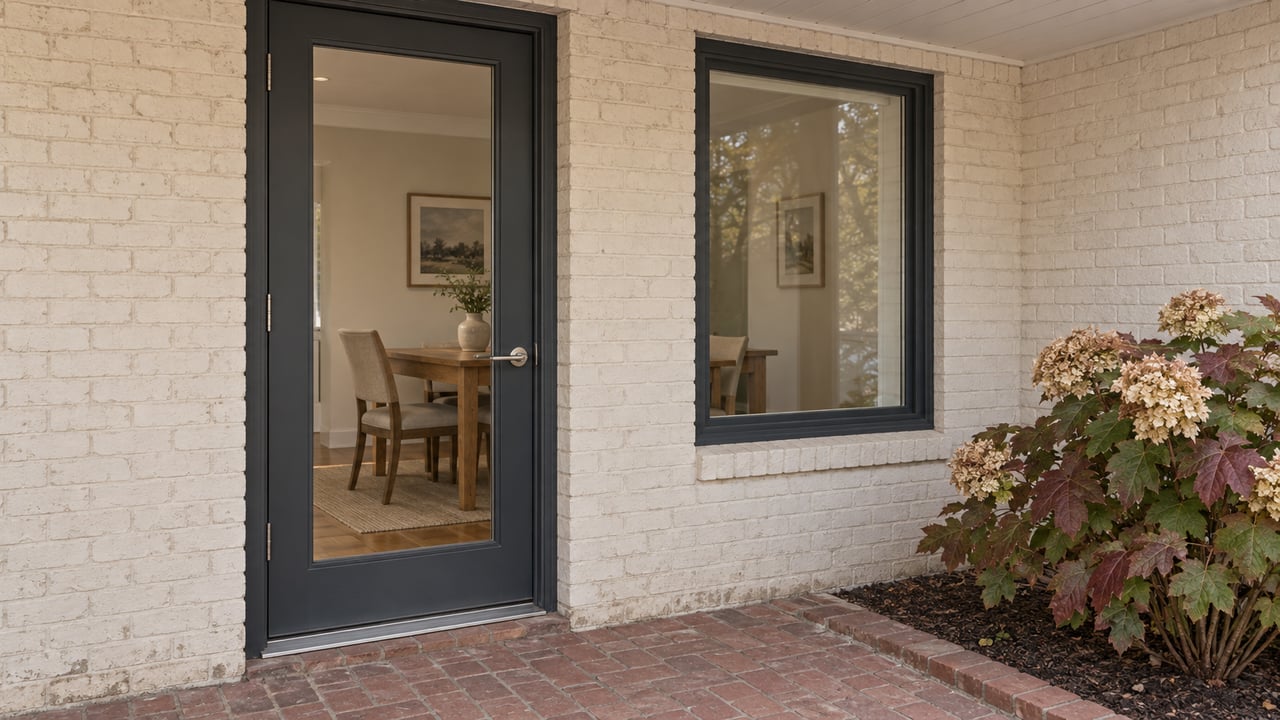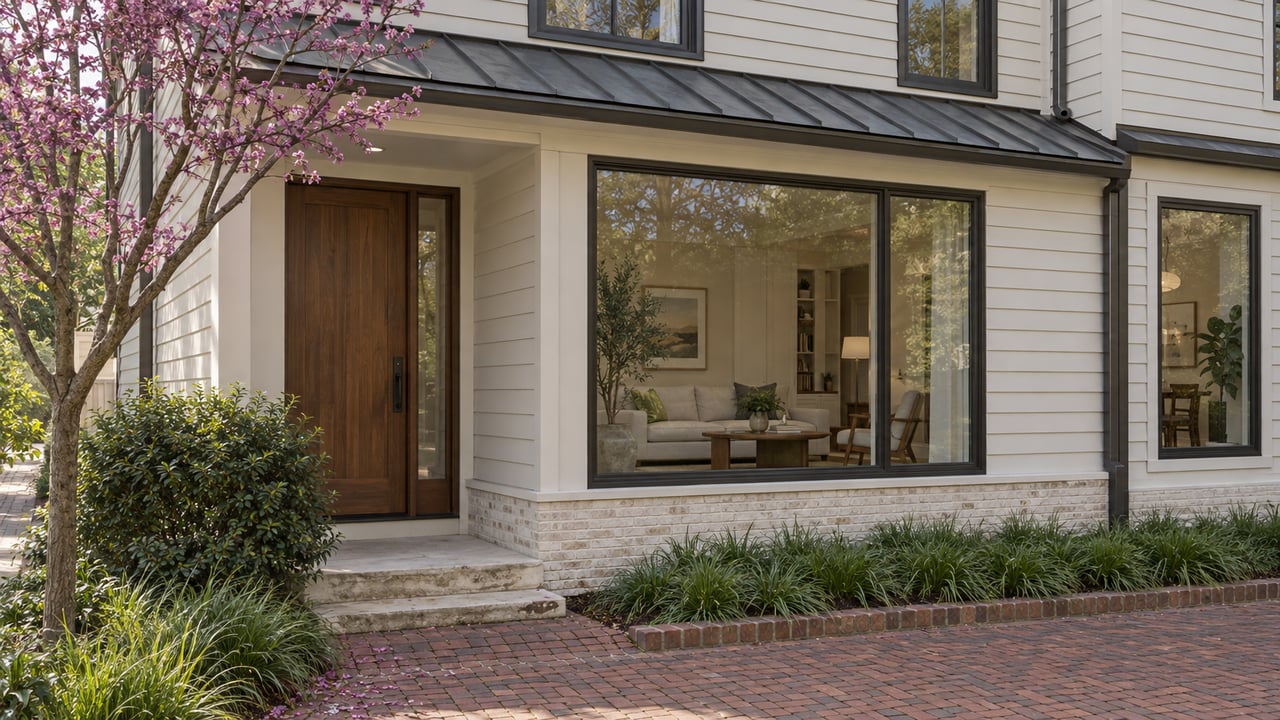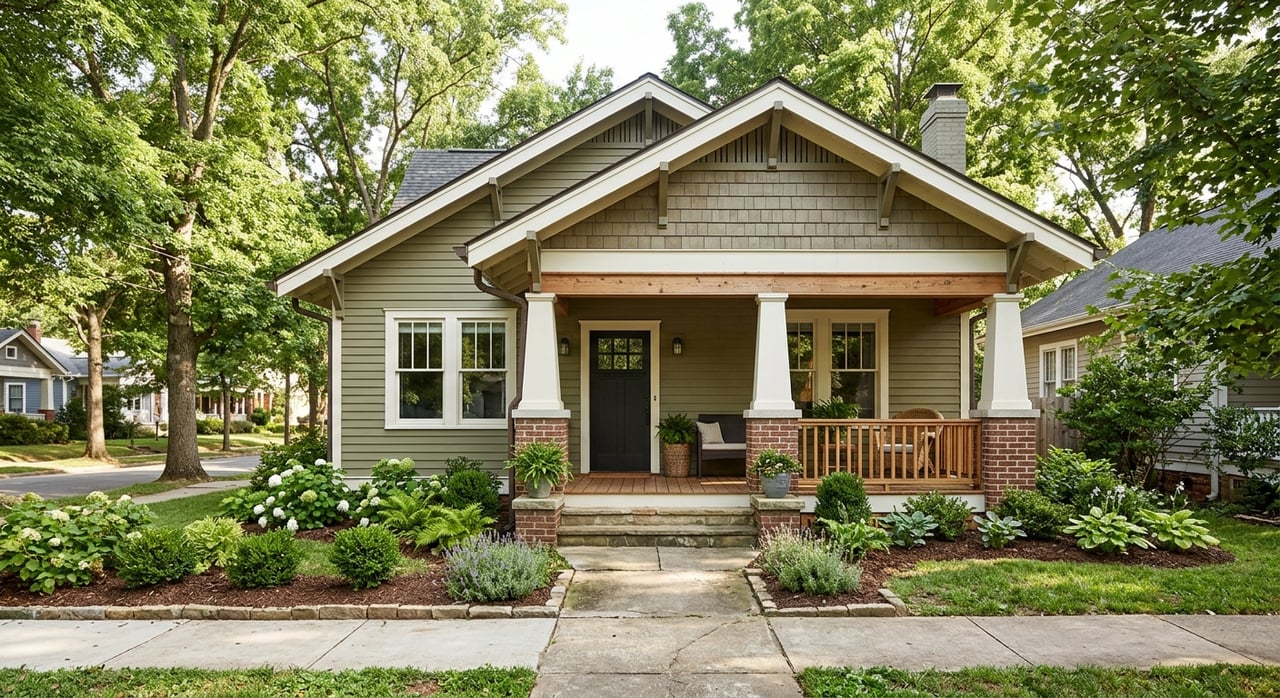
Looking for historic homes near Atlanta’s airport can feel like a tradeoff. You might assume you have to choose between character and convenience, or between a preserved neighborhood feel and easy access to the rest of the city. In the 30337 area, that is not the case. Around College Park, Hapeville, and East Point, you can find front porches, mature trees, walkable blocks, and older homes with real architectural personality, all close to Hartsfield-Jackson and key transit connections. Let’s take a closer look.
Why 30337 Stands Out
If you picture airport communities as purely functional, the Tri-Cities area offers a very different story. The communities near Atlanta’s airport include long-established neighborhoods with historic districts, traditional street grids, and preserved downtown areas.
For many buyers, that mix is the appeal. You get local history, distinct home styles, and daily convenience in one search area. These are communities where older homes and active town centers still shape the feel of everyday life.
College Park: The Deepest Historic Fabric
Historic College Park is the strongest fit if you want the most concentrated historic-district experience. The city describes it as Georgia’s fourth-largest urban historic district, with 867 structures on the National Register and about 606 acres of historic fabric.
That scale matters when you are home shopping. It means the historic character is not limited to one or two blocks. Instead, it shows up across a broad area of homes, churches, parks, civic buildings, businesses, cemeteries, and even a railway station.
What Homes Look Like in College Park
Craftsman styles and bungalow types are especially common in Historic College Park. If you are drawn to homes with porches, detailed woodwork, and practical early twentieth-century layouts, this area deserves a close look.
The city’s planning documents also describe neighborhoods laid out on a tree-lined grid with sidewalks. That physical layout helps create the classic intown feel many buyers want but struggle to find in more auto-oriented areas.
What the Streets Feel Like
College Park reads as a preserved neighborhood rather than a scattered collection of older homes. Moderately sized lots, sidewalks, tree-lined streets, and rear-yard accessory structures all support that traditional pattern.
There is also a memorable sense of place in the street naming system. The city notes that east-west avenues honor colleges, while north-south streets honor local residents. Small details like that help explain why the neighborhood feels rooted and distinct.
Daily Life in College Park
Beyond the homes themselves, College Park combines preservation with activity. The Main Street corridor includes specialty shops, restaurants, and local government offices, giving the area an active civic center.
The nearby Gateway Center Campus adds another layer, with Georgia’s second-largest convention center and Gateway Center Arena. The city has also signed a long-term land lease for a future botanical garden, which strengthens the area’s green-space and civic identity story.
Airport and Transit Access
For buyers who travel often, College Park offers unusually easy airport access. MARTA’s College Park Station sits at East Main Street and Howard Avenue, with entrances on East Main and Lee Streets, and local transit materials note the airport is about 1 minute away by rail.
That is a rare combination. You can enjoy a historic district setting while staying closely connected to one of the busiest transportation hubs in the region.
Hapeville: Bungalows and Arts Energy
Hapeville is a strong match if you want historic character with a compact, creative downtown feel. The city sits between I-75 and I-85 right next to the airport, yet its historic identity remains front and center.
For many buyers, Hapeville feels especially approachable. The scale is intimate, the older housing stock is easy to recognize, and the downtown experience adds a lively local rhythm.
What Homes Look Like in Hapeville
Hapeville’s historic district is especially bungalow-forward. The city says the residential area south of town is primarily bungalow in form, with Queen Anne houses and Queen Anne cottages also present.
On the north side, the housing mix expands to include 1930s through 1950s Minimal Cottage, American Small House, Ranch, and Craftsman Bungalow styles. That gives you a useful range if you like older homes but want flexibility in size, layout, or era.
What the Streets Feel Like
Hapeville’s older residential streets are described as shaded by large trees, with some sidewalks and front lawns. Homes are generally set back from the street, which creates a softer and more residential streetscape.
The city also points to an early subdivision bounded by Atlanta Avenue, College Street, Fulton Avenue, and South Central Avenue as an area with some of its oldest remaining residential architecture. The historic district’s connection to the railroad depot helps explain the compact town-core feel many buyers notice right away.
Daily Life in Hapeville
Hapeville offers more than house style. Official city resources highlight the Historic Depot Museum, the Historic Christ Church & Carriage House, the Hoyt Smith Conference Center, a downtown park, and a public art program.
The city also features places like Jess Lucas Park, Arts Alley, Cofield Park, Tom E. Morris Sport Complex, and John R. Lewis Memorial Park. If you want a neighborhood where architecture and local gathering spaces work together, Hapeville stands out.
East Point: The Widest Variety
East Point is often the best fit if you want options. Among the airport-adjacent communities, it offers the broadest mix of historic and later housing types.
That can be helpful if you like the idea of a bungalow or cottage near downtown, but also want to compare those homes with larger brick ranch properties farther out. East Point gives you a wider search field without losing the connection to historic streetscapes.
What Homes Look Like in East Point
The city describes neighborhoods around downtown as walkable and tree-lined, with bungalows, cottages, and Cape Cod-style homes near the core. Farther out, the housing stock includes larger brick ranch homes and newer construction.
Planning documents also reference twentieth-century bungalows and cottages in traditional urban neighborhoods close to downtown. That blend makes East Point appealing if you want character but do not want to limit yourself to one architectural lane.
What the Streets Feel Like
Downtown-adjacent East Point has a strong walkability story. The city highlights tree-lined streets, a historic downtown district, and light traffic in these areas.
Major corridors tied to the city’s historic-commercial fabric include Main Street, Cleveland Avenue, and Washington Road. For buyers who value access to both neighborhood blocks and active commercial areas, that balance can be attractive.
Daily Life in East Point
East Point pairs neighborhood housing with larger-scale amenities. The city highlights its downtown district, Camp Creek Marketplace, MARTA bus and rail access, and the state’s only velodrome.
The economic development office also notes that downtown and Camp Creek Marketplace include shops, boutiques, and restaurants, while streetscape quality remains a city priority. In practical terms, that means East Point offers both historic housing choices and a broad everyday amenity base.
How to Compare These Areas
If you are deciding between College Park, Hapeville, and East Point, it helps to focus on how you want your home search to feel day to day. Each community has a clear identity.
- Choose College Park if you want the densest historic fabric and the strongest historic-district presence.
- Choose Hapeville if you are drawn to bungalow and Queen Anne character paired with a compact arts-oriented downtown.
- Choose East Point if you want the widest range of house types, from downtown-adjacent cottages to larger ranch homes.
None of these are generic airport suburbs. Each one offers its own version of walkable blocks, preserved character, and practical access to Atlanta and the airport corridor.
What Buyers Should Notice on a Tour
When you visit historic-home areas near 30337, try to look beyond square footage alone. The details that shape long-term satisfaction are often outside the front door as much as inside the home.
Pay attention to:
- Street pattern and whether you like a grid, setbacks, or a more compact downtown layout
- Tree canopy and sidewalk presence
- Housing consistency versus architectural variety
- Access to parks, downtown shops, and transit
- How close you want to be to MARTA or the airport corridor
These communities reward a more thoughtful tour. A home may stand out because of its porch or floor plan, but the surrounding block often explains why an area feels right.
Why Local Guidance Matters
Historic-home searches are often more nuanced than standard home searches. In the Tri-Cities area, even nearby neighborhoods can offer a very different mix of architecture, block layout, and daily amenities.
That is where hyper-local knowledge helps. When you understand the feel of Historic College Park, the bungalow-heavy pockets of Hapeville, and the broader housing range in East Point, you can narrow your search faster and make more confident decisions.
If you are exploring historic homes near Atlanta’s airport communities, working with a local team can help you compare not just houses, but the lifestyle each area supports. When you are ready to talk through your options in College Park, Hapeville, or East Point, connect with Intown Focus Realty.
FAQs
Which area near 30337 has the most historic homes?
- Historic College Park has the densest historic fabric, with 867 structures in its historic district and about 606 acres of preserved historic area.
Which airport-adjacent community is best for bungalow lovers?
- Hapeville is the most bungalow-forward option, especially in and around its historic district, with Queen Anne houses and cottages also in the mix.
Which community near Atlanta’s airport has the widest range of home styles?
- East Point offers the broadest mix, including bungalows, cottages, Cape Cod-style homes near downtown, plus larger brick ranch homes and newer construction farther out.
How close is MARTA access to the airport from these areas?
- College Park Station is about 1 minute from the airport by rail, East Point Station is about 4 minutes away, and Hapeville sits directly beside the airport corridor.
What makes these neighborhoods different from typical airport suburbs?
- These communities combine historic homes, mature trees, walkable blocks, preserved downtown areas, and convenient airport access, which creates a more established neighborhood feel.