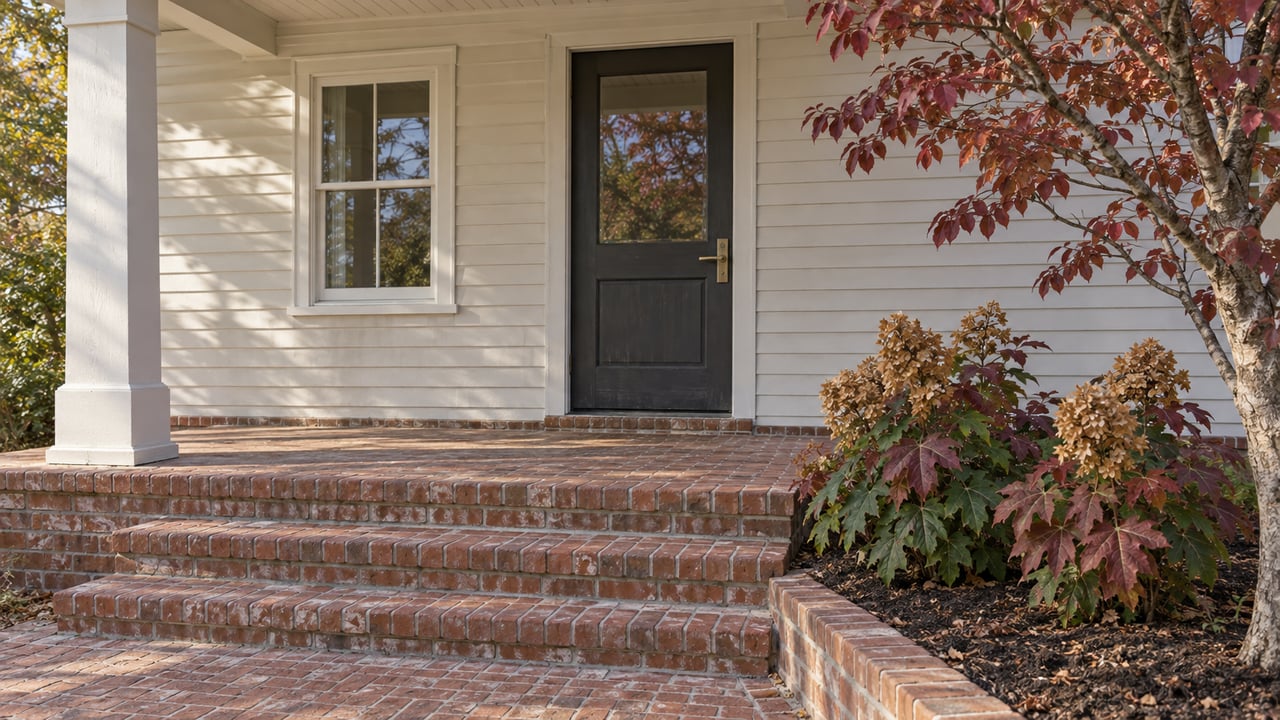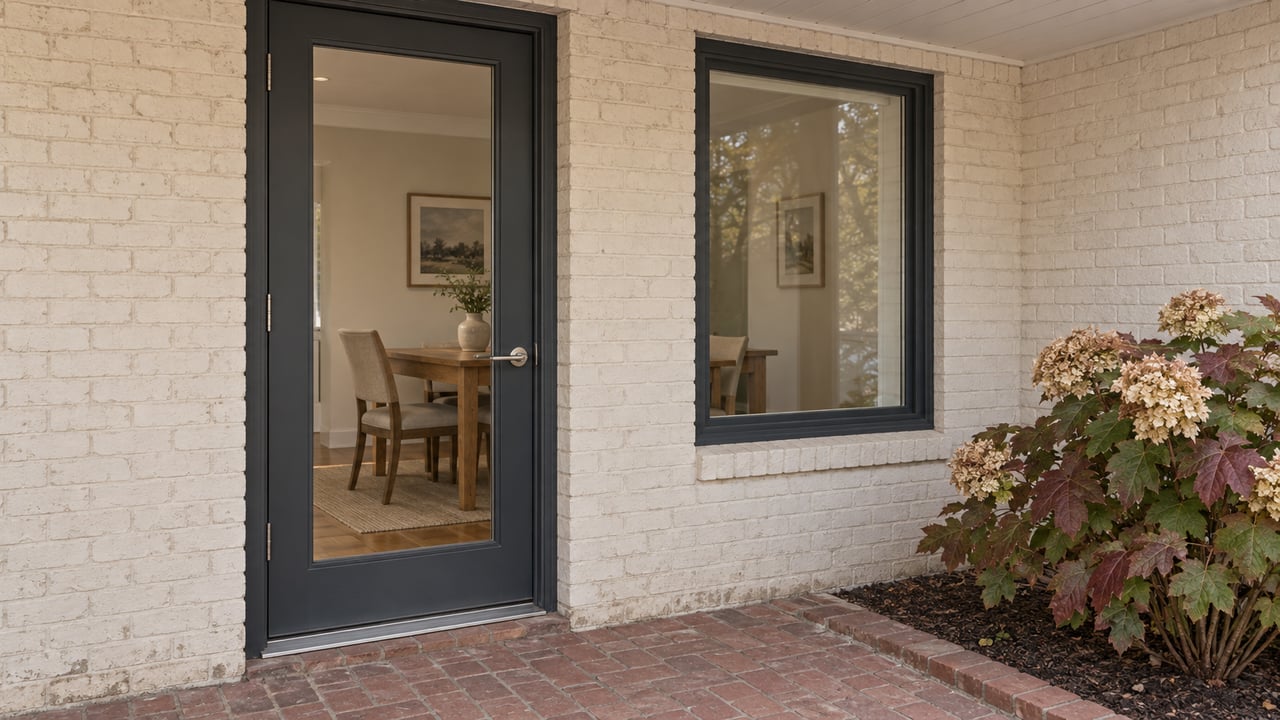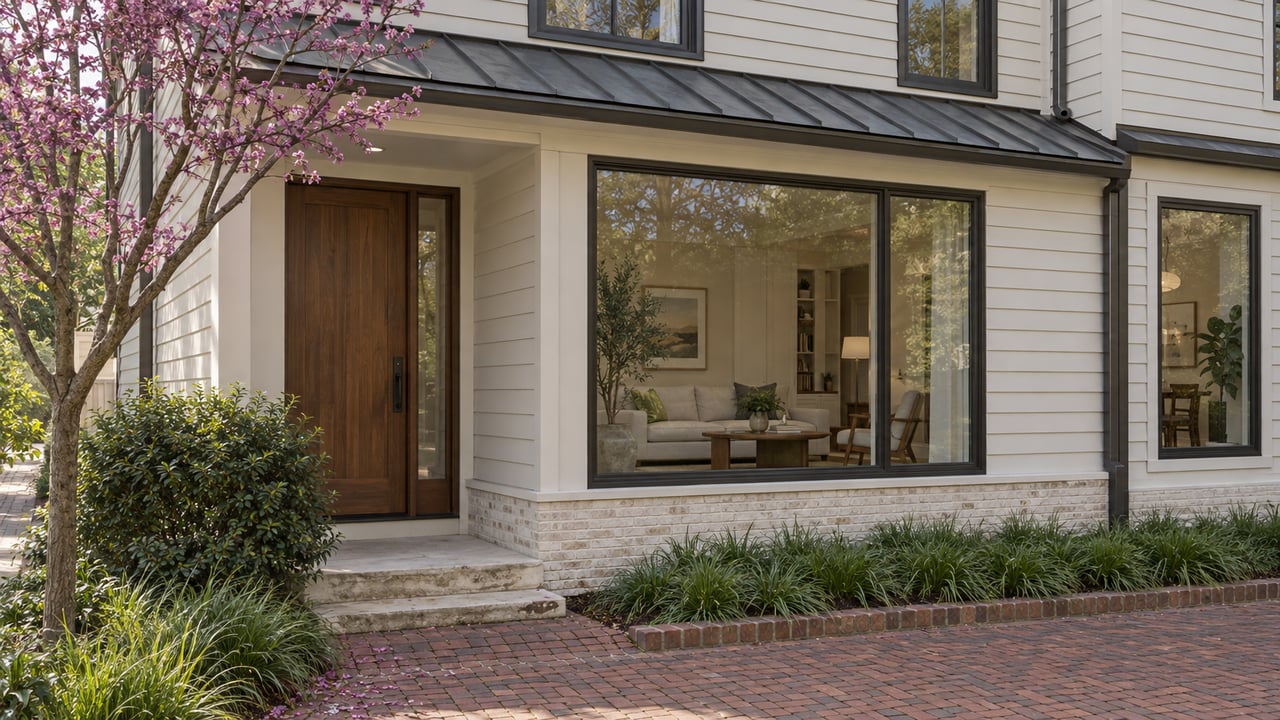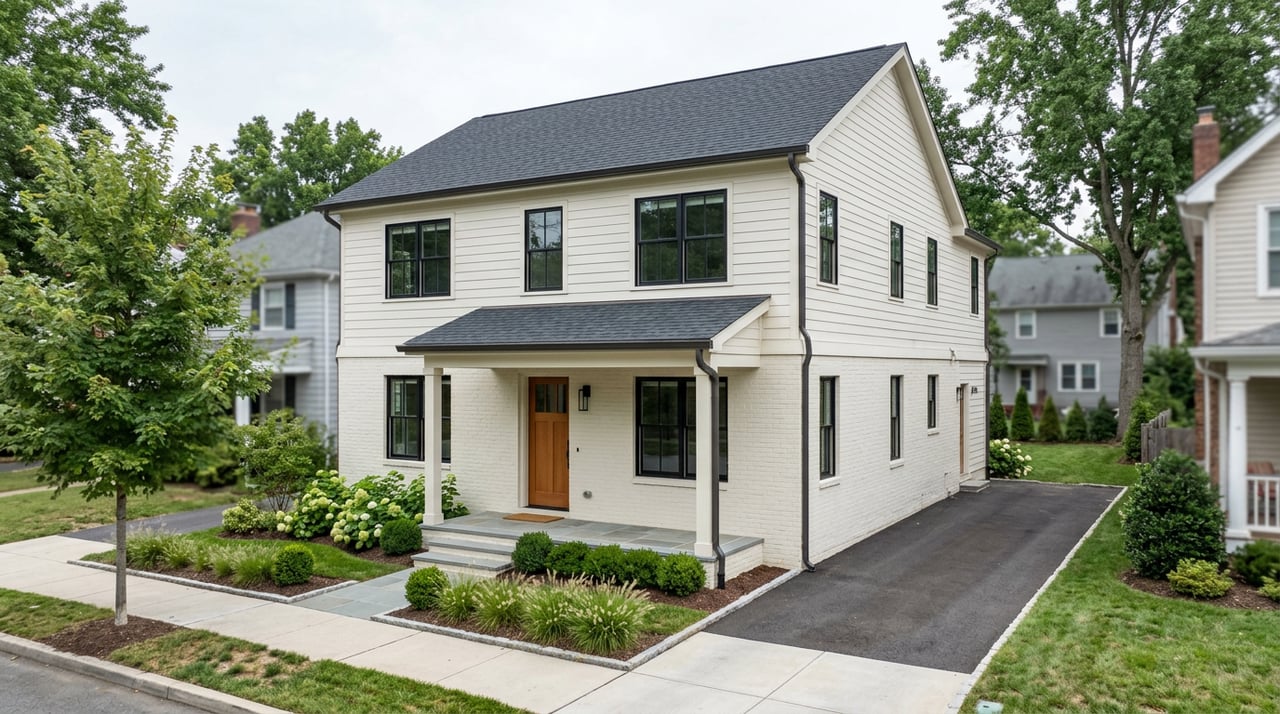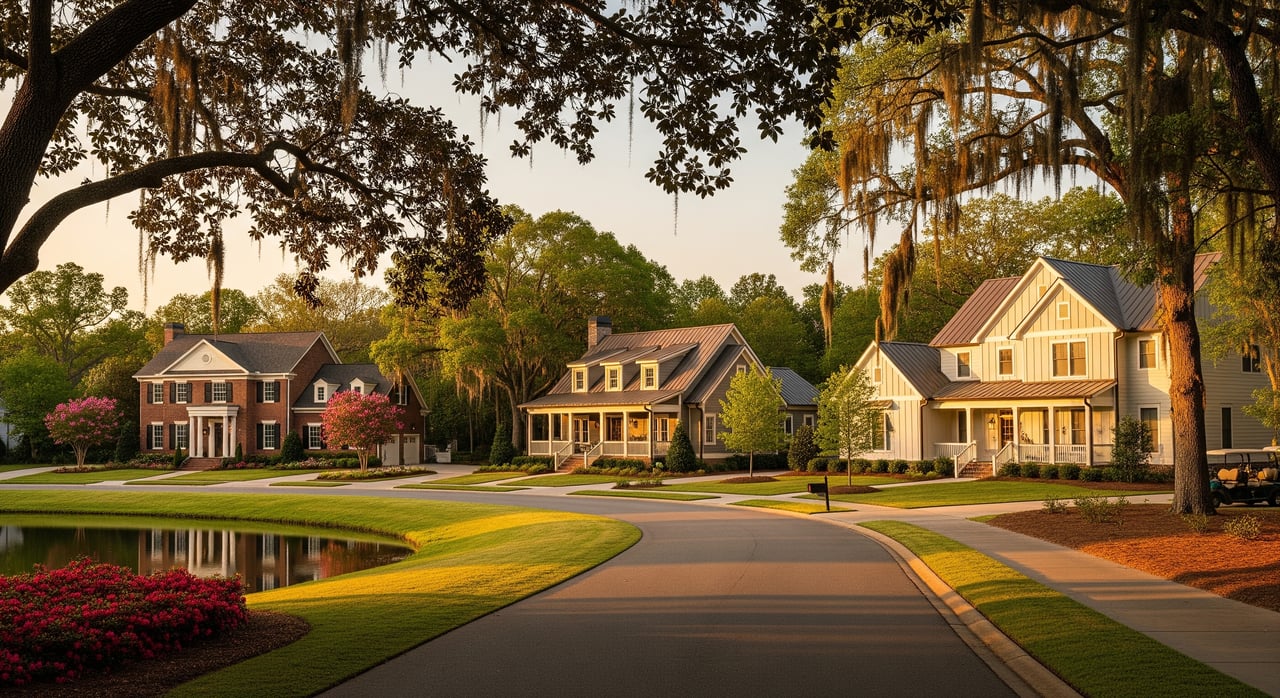
You hear a lot about Peachtree City’s villages, golf-cart paths, and lakes, but what does that really mean for where you live and the kind of home you buy? If you’re comparing neighborhoods, it can be hard to translate those features into daily life. This guide breaks down how each village cluster feels, the home styles you’ll find, typical lot sizes, and how paths, parks, and commute routes shape your options. You’ll leave with a clear framework to match your budget and lifestyle to the right part of town. Let’s dive in.
How Peachtree City’s villages work
Peachtree City was planned as a collection of villages. Each village centers on a local shopping area and is connected by an extensive network of paved, multi-use golf-cart paths. Instead of one large subdivision, you get several residential hubs tied together by paths that link homes to schools, parks, lakes, and retail.
This path network defines the city’s day-to-day rhythm. Many buyers prioritize how easily a home connects to paths, since that can turn quick trips to the store, school, or the park into an easy ride or walk. While most areas have at least one nearby path, the number of direct connections varies by location, with central villages and lake-adjacent pockets typically having the densest access.
Municipal services, parks, and path maintenance are handled by the City of Peachtree City, within Fayette County. Public schools are served by Fayette County Schools. Because boundaries and attendance lines change, always verify specific addresses before you decide.
What shapes value: paths, lakes, and lots
Several factors tend to influence value and day-to-day convenience across the villages:
- Path connectivity. Central villages and lakeside pockets usually have more direct cart-path links, which many buyers consider a quality-of-life boost.
- Proximity to lakes and parks. Lakefront homes are limited and often command premiums. Homes with easy path access to parks and lakes are frequently in demand.
- Lot size and product type. As a rule of thumb:
- Townhome/patio home: under 0.1 acre
- Small suburban lot (newer subdivisions): about 0.15–0.3 acre
- Traditional suburban lot (older neighborhoods): about 0.25–0.6 acre
- Estate/large-lot properties: 0.5–3+ acres, more common at the city’s edges
If you want a larger yard, room for a pool, or more privacy, look to the western lakeside pockets or outer edges of the city. If you prefer lower-maintenance living close to shops and restaurants, target townhomes, patio homes, or smaller-lot single-family near village centers.
Village-by-cluster guide
Below is a practical overview using broad geographic clusters. Exact village names and boundaries appear on the city’s official map, so confirm those details when you get serious about a specific neighborhood.
Central core near Lake Peachtree
Character: Established neighborhoods close to civic amenities, restaurants, and the main retail hub around Lake Peachtree. Mature trees and a more walkable feel, with some of the strongest cart-path connectivity in the city.
Typical homes: Mid-century and 1970s–1980s ranches, traditional two-story homes, and a few townhome or patio communities.
Lot sizes: Often 0.25–0.6 acre for detached homes in older subdivisions.
Best fit if you want: Quick path access to shops and parks, mature landscaping, and classic ranch or traditional styles with potential for updates over time.
South side and Braelinn area
Character: A mix of established and newer neighborhoods built around larger shopping centers. Good access to Peachtree Parkway (GA-74) for regional driving.
Typical homes: A blend of older ranches and two-story homes plus newer subdivisions with traditional two-story plans. Some townhome product appears near commercial nodes.
Lot sizes: Roughly 0.15–0.4 acre in many newer family subdivisions, with larger parcels on the edges.
Best fit if you want: A range of price points, easy access to daily conveniences, and balanced options for both detached homes and maintenance-reduced living.
East side around Kedron–Glenloch
Character: Primarily residential with strong access to local schools and parks. Many neighborhoods were built from the 1980s through the 2000s and feature landscaped entries and homeowner associations.
Typical homes: Traditional two-story homes, some ranches, and occasional patio or smaller-lot options.
Lot sizes: Commonly 0.2–0.5 acre for detached homes, with smaller footprints for townhome and patio products.
Best fit if you want: Well-established subdivisions, proximity to schools and parks, and a broad selection of family-oriented home plans.
West side near lakes and golf
Character: Pockets of lakefront homes and golf-oriented communities that attract buyers looking for outdoor amenities. These areas can be considered premium due to setting and lot size.
Typical homes: Larger ranches and traditional two-stories, along with custom homes near lake or course frontage. Select townhome clusters can sit close to commercial nodes.
Lot sizes: Often 0.3–1+ acre, especially for lakefront or golf-front properties.
Best fit if you want: Bigger lots, water or golf views, and strong recreational access with paths that serve both daily trips and weekend rides.
Northern edge and newer outskirts
Character: Transition zones between Peachtree City and neighboring jurisdictions. You’ll find newer developments as well as semi-rural edges with larger parcels.
Typical homes: Newer two-story homes mixed with larger custom builds and some acreage properties.
Lot sizes: Outskirts may range from 0.5 acre to over 1 acre, while conventional subdivisions tend to run 0.25–0.4 acre.
Best fit if you want: Newer construction, larger parcels for privacy or projects, and a quieter setting with tradeoffs in distance to the central retail core.
Common home styles in Peachtree City
Ranch homes
Single-story ranches are common in the city’s earlier phases from the 1970s and 1980s, and you’ll also see modern versions in select infill and active adult settings. Typical lots range from 0.2–0.5 acre in established villages, with smaller lots in patio-home developments. Buyers value the single-level layout and mature landscaping, while older homes may call for interior updates.
Traditional two-story homes
These are the most prevalent plans from the 1980s forward and remain popular in newer subdivisions. Lots often run 0.18–0.5 acre in conventional neighborhoods and can be larger in certain enclaves. You’ll usually find bedrooms upstairs and flexible living space on the main level, which suits many household needs.
Townhomes and patio homes
Maintenance-reduced options appear near commercial areas and as infill to serve downsizers and buyers who prefer smaller yards. These homes sit on compact lots or share common grounds, with homeowner association fees standard for exterior or common-area upkeep. Proximity to shops and strong path access are typical draws.
Custom and estate properties
Custom homes cluster in limited pockets, often along the fringe or near lakes and golf courses. Lot sizes can range from 0.5 acre to multiple acres. Buyers often prioritize privacy, room for pools or outbuildings, and distinctive architecture at higher price points.
Match your priorities to the right place
Use this quick framework to narrow your search:
- You want the strongest path access to retail and restaurants. Start with central villages and lake-adjacent areas. Consider townhomes, patio homes, smaller-lot single-family, and classic ranches close to paths.
- You want close access to schools. Focus on east and north clusters near local campuses. Expect many traditional two-story homes on 0.2–0.4 acre lots. Always confirm school assignments for a specific address.
- You want larger lots or lake and golf settings. Target western lakeside pockets and fringe areas where 0.5+ acre lots and custom homes are more common.
- You want a lower-maintenance or lower-entry option. Look at townhomes, patio homes, and older small-lot neighborhoods near village centers, often with association-maintained exteriors and common areas.
- You have a firm commute requirement. Consider locations with quick access to GA-74 and GA-54. You may trade off on lot size or lakefront options for faster highway access.
Commute and transportation snapshot
Regional commuting relies on GA-74 and GA-54, which connect to I-85 and the broader Atlanta network. Typical peak drive times to central Atlanta range from about 35 to 60 minutes, depending on destination and traffic. Hartsfield–Jackson Atlanta International Airport is commonly a 30 to 60 minute drive based on route and time of day.
Within Peachtree City, daily mobility centers on the golf-cart and multi-use path system. Many residents use carts for errands, school trips, and parks, which reduces in-town car dependence and shapes the lifestyle across the villages.
For sellers: what buyers notice
If you are preparing to sell, small decisions can make a big difference in how your home competes within its village:
- Direct cart-path access or quick connectivity to paths is a frequent tiebreaker.
- Updated kitchens and baths help older homes stand out, especially near the central core where ranches and 1980s builds are common.
- Easy access to lakes and parks can lift interest, even if a home is not directly on the water.
- Clear outdoor living spaces like refreshed decks or patios highlight the year-round appeal of the path and park network.
Verify details before you buy
Some details change over time, and two homes on the same street can have different advantages. Before you finalize a decision, take these steps:
- Confirm village names, path connections, and park access on the City of Peachtree City’s official maps and materials.
- Check lot sizes, parcel lines, and records with the Fayette County tax assessor or GIS parcel viewer.
- Verify school assignments for a specific address through Fayette County Schools.
- Review recent prices, days on market, and inventory by neighborhood using current MLS data and local market reports.
If you are targeting lake access or a specific path connection, walk or cart the route to confirm distance and grade. A few minutes onsite can tell you more than a map.
Next steps
Choosing between villages gets easier when you match your lifestyle with the right cluster and home style. Whether you want strong path connectivity near the core, a larger lot on the edge, or a low-maintenance townhome close to shops, there is a clear path to the right fit. Ready to shortlist the best options for your goals? Reach out to Intown Focus Realty for local guidance and a tailored list of homes.
FAQs
What does “village” mean in Peachtree City?
- A village is a residential area built around a local commercial center and linked to other parts of the city by a paved golf-cart and multi-use path network.
How do lot sizes differ between older and newer areas?
- Older neighborhoods often have traditional suburban lots around 0.25–0.6 acre, while many newer subdivisions range from about 0.15–0.3 acre, with estate pockets from 0.5 to 3+ acres on the edges.
Where can you find townhomes or patio homes in Peachtree City?
- Maintenance-reduced options tend to cluster near village centers and commercial nodes, with compact lots and homeowner associations for exterior or common-area upkeep.
How long is the commute to Atlanta or the airport from Peachtree City?
- Typical peak drive times to central Atlanta run about 35–60 minutes, and trips to Hartsfield–Jackson Atlanta International Airport are commonly 30–60 minutes depending on traffic.
How do you verify which schools serve a specific address?
- Use Fayette County Schools’ attendance resources to confirm assignments for a property, since lines can change and vary by neighborhood.