Curious what daily life is really like near the world’s busiest airport? In Atlanta’s airport communities, living close to Hartsfield-Jackson is about much more than flights overhead. You get a mix of historic neighborhoods, practical transit access, local main streets, and everyday conveniences that can make day-to-day living easier. If you are considering 30337 or nearby areas, here is what you can expect. Let’s dive in.
Airport Communities Have a Distinct Feel
The communities around 30337 are part of the broader Aerotropolis Atlanta corridor, which connects the airport with Fulton and Clayton counties and the cities of College Park, Hapeville, and East Point. Rather than feeling like one uniform suburb, the area reads as a blend of historic residential blocks, transit hubs, traveler-oriented commercial areas, and active redevelopment.
That variety is a big part of the appeal. Depending on where you live, your daily setting may feel more like a classic neighborhood with older homes and small parks, or more like a connected mixed-use district near transit and major job centers. In practical terms, you are often choosing between different lifestyles within a very small geographic area.
College Park Anchors 30337
Within 30337, College Park is the clearest everyday anchor. The city’s Main Street district, MARTA station, and historic core all shape the neighborhood experience in a way that feels grounded and lived in.
According to the city, College Park’s historic district is one of the largest urban historic districts in Georgia. That gives the area a strong sense of place, especially compared with airport-adjacent areas in other cities that can feel more commercial than residential.
Transit Is a Major Lifestyle Advantage
For many residents, the biggest practical benefit of living near Atlanta’s airport communities is transportation. If you value options beyond driving everywhere, this part of south metro Atlanta stands out.
MARTA Makes Daily Travel Easier
Airport Station is the southern end of the Red and Gold lines and sits at the domestic terminal. It also connects to the free international-terminal shuttle and the SkyTrain connection to rental cars, which makes airport access unusually simple.
That setup is useful not only for frequent travelers, but also for anyone who wants a straightforward route to work or prefers to reduce car trips when possible. Living nearby can make early departures, late-night arrivals, and pickup logistics much less stressful.
College Park Station Supports Commuters
College Park Station is also on the Red and Gold lines and connects to multiple bus routes, including 82, 89, 93, 172, 180, 188, 189, 195, and 196. MARTA lists weekday train hours from 4:45 AM to 1 AM, with weekend service from 6 AM to 1 AM.
That schedule can be especially helpful if you work early shifts, travel often, or want flexibility without depending entirely on a car. It also supports the kind of car-light lifestyle that is harder to pull off in many other parts of metro Atlanta.
East Point Adds Daily-Use Transit
East Point Station offers another solid transit option in the Tri-Cities corridor. MARTA notes that the station includes a 927-space parking lot and sits near dining, shopping, government buildings, and housing.
That matters because it creates more of a daily-use environment, not just a place to park and catch a train. If you want errands, services, and transit in closer reach of one another, East Point can offer that more connected feel.
Gateway Center Strengthens Access
College Park’s Gateway Center Campus adds another layer of convenience. The ATL SkyTrain offers a complimentary two-minute ride to the airport and the rental car center, and the campus connects to downtown College Park by a pedestrian bridge over Camp Creek Parkway.
For airport employees, frequent flyers, and people commuting to nearby job centers, this is one of the area’s strongest real-world advantages. It is a reminder that living near the airport here is not just about proximity. It is about function.
Dining and Errands Feel Convenient
If you are wondering whether the area is only practical and not very livable, the answer is more balanced than many people expect. These communities offer a useful mix of local restaurants, downtown business districts, and larger retail destinations.
College Park Balances History and Convenience
College Park’s downtown identity centers on a historic Main Street business district, along with newer specialty businesses filling storefronts. The city also points to the Gateway Center Campus, which includes hotels, a convention center, an arena, and multiple dining options.
That means your day-to-day choices may lean more practical than entertainment-heavy, but they are still varied. You can find places to grab coffee, meet for lunch, or handle routine errands without feeling disconnected from neighborhood life.
Hapeville Offers a Strong Dining Mix
Hapeville has one of the most varied local food scenes in the airport corridor. The city’s official restaurant guide includes coffee shops, brunch spots, bakeries, breweries, Southern cooking, Greek, Cuban, Mexican, pizza, BBQ, and hotel restaurants.
For residents, that variety supports both quick weekday meals and more relaxed nights out close to home. It also gives Hapeville a distinct local rhythm that feels more neighborhood-focused than purely airport-driven.
East Point Combines Main Street and Retail
East Point’s planning materials emphasize dining, shopping, living, and civic uses around Main Street, Cleveland Avenue, and White Way. The city also points to local restaurants in its historic downtown district and to Camp Creek Marketplace as a major retail and restaurant destination.
The result is a food and errands landscape spread across several nodes rather than one single entertainment district. For many buyers, that is a plus because it gives you options without requiring every activity to happen in one place.
Outdoor Space Is Neighborhood-Oriented
The airport communities are not defined by massive regional parks, but they do offer neighborhood-scale green space that supports daily life. If your ideal routine includes a nearby park, a community gathering space, or a place to spend time outdoors without a long drive, you will find options here.
College Park Includes Gardens and Golf
College Park highlights its community garden, which includes raised beds, pollinator zones, composting, harvest sharing, and gathering areas. The city also notes the planned Roderick Gay Botanical Garden project and operates the public Historic College Park Golf Course.
These amenities add a civic, everyday kind of outdoor access. They are less about destination-scale recreation and more about community use and neighborhood identity.
Hapeville Focuses on Everyday Parks
Hapeville’s parks and facilities include Cofield Park, Hapeville Memorial Stadium, Jesse Lucas Y-Teen Park, Tom E. Morris Sport Complex, John R. Lewis Memorial Park, and the Hoyt Smith Recreation Center.
That mix supports a lifestyle centered on smaller parks, recreation spaces, and civic gathering spots. For many residents, that feels practical and accessible rather than oversized or spread out.
East Point Shows Ongoing Investment
East Point’s recent budget and planning documents point to capital improvements at Rantin Park, Commerce Park, and Center Park, along with a Trail System Master Plan. City materials also reference smaller parks such as Smith-Taylor Park, Womack Park, Colonial Hills / Unity Park, Spring Street Park, Victory Park, and Bryan Park.
This suggests a park system that is evolving through investment and upgrades. If you are looking at East Point, it is worth seeing how these improvements may shape the area over time.
Housing Has Historic Character
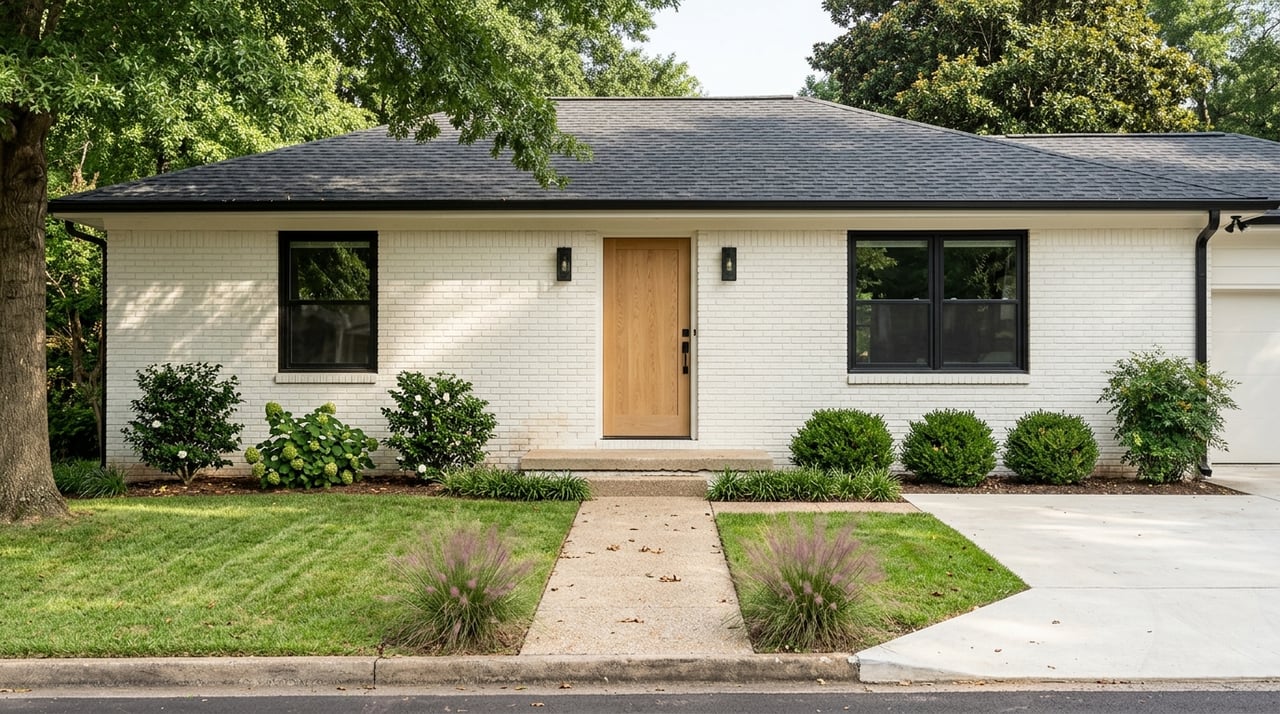
One of the biggest surprises for some buyers is how much architectural variety and neighborhood character exist so close to the airport. In many parts of 30337 and nearby communities, the housing stock is older, established, and tied closely to local history.
College Park Feels Established
College Park’s historic district includes 867 structures on the National Register, according to the city. The district includes homes, businesses, schools, churches, parks, a cemetery, a government building, and a railway station.
That kind of built environment usually creates a more established, layered streetscape. If you are drawn to neighborhoods with visible history and a traditional town feel, College Park may stand out.
Hapeville Shows Architectural Variety
Hapeville’s historic district reflects development from 1917 through the early 1960s. The city’s historic district materials describe a wide range of home styles, including Folk Victorian, Queen Anne, Craftsman, Colonial Revival, English Vernacular Revival, Classical Revival, Bungalow, American Small House, Split Level, and Ranch.
That gives Hapeville a distinct visual texture. It also helps explain why buyers often see the area as more than just an airport-adjacent location.
East Point Mixes History and Redevelopment
East Point has a more mixed and redevelopment-oriented housing story. The city’s strategic plan references more than 25 historic neighborhoods and highlights Jefferson Park for bungalows, cottages, and Cape Cod-style homes, while other materials point to restored lofts downtown and projects like The Commons.
This creates a broader range of housing experiences. Some areas feel deeply established, while others show the effects of reinvestment and future growth.
What Daily Life Often Feels Like
The most useful way to think about living near Atlanta’s airport communities is this: you are often in older residential neighborhoods wrapped around transit, retail, and airport-facing commercial corridors. The closer you are to MARTA stations and the airport edge, the more mixed-use and visitor-oriented the setting tends to feel.
As you move deeper into historic neighborhoods, the experience often shifts toward older homes, small parks, and local main streets. For the right buyer, that balance can be a real advantage. You get access and convenience without giving up neighborhood identity.
Is 30337 Right for You?
If you want a location with strong airport access, practical transit, historic housing stock, and a neighborhood feel that varies block by block, 30337 and the surrounding Tri-Cities area deserve a closer look. It is not a one-note community, and that is exactly why many buyers find it compelling.
If you are exploring College Park, Hapeville, East Point, or nearby airport communities, working with a brokerage that knows the Tri-Cities street by street can make your search much more focused. Connect with Intown Focus Realty to get local guidance tailored to your goals.
FAQs
What is it like living near Atlanta airport in 30337?
- Living near Atlanta airport in 30337 often means a mix of historic neighborhoods, strong MARTA access, practical dining and errands, and easy connections to Hartsfield-Jackson.
Does 30337 have good MARTA access for daily commuting?
- Yes. Airport Station and College Park Station both connect to MARTA’s Red and Gold lines, and nearby East Point Station adds more transit options for commuting and errands.
Are College Park, Hapeville, and East Point mostly residential or commercial?
- They are a mix of both. These communities include older residential neighborhoods, downtown districts, transit nodes, and airport-oriented commercial corridors.
What kind of homes are common near Atlanta’s airport communities?
- You will find a range of older and historic homes, including bungalows, cottages, ranch homes, and other early- to mid-20th-century styles, along with some redevelopment and mixed-use projects.
Are there parks and green spaces near 30337?
- Yes. The area offers smaller neighborhood parks, recreation facilities, community green spaces, and planned improvements rather than one large signature regional park.
Is College Park the main hub within 30337?
- In many ways, yes. College Park serves as a key anchor because of its Main Street district, historic core, MARTA access, and close relationship to the airport corridor.