Imagine stepping from your front porch onto a winding trail, picking up fresh produce from a nearby organic farm, and walking to dinner in a village center. If that sounds like your kind of lifestyle, Serenbe may be on your shortlist. Buying here is a bit different from a typical suburban neighborhood, so it pays to know how the community is planned and what to verify before you write an offer. In this guide, you’ll learn how Serenbe is organized, what affects value, and the key due diligence steps that make a smooth purchase possible. Let’s dive in.
Serenbe at a glance
Serenbe sits in the City of Chattahoochee Hills in southwest Fulton County. It is an intentionally planned, biophilic community known for walkable hamlets, village-scale shops and restaurants, and a deep commitment to preserved green space. The developer highlights a nature, food, and culture focus that shapes daily life and property design. You can explore the community overview on the official Serenbe About page.
Homes gather around several themed hamlets. Selborne is arts focused, Grange is tied to agriculture, and Mado centers on health and wellness. A certified organic working farm of about 25 acres sits at the heart of the lifestyle and supports a CSA and farm‑to‑table dining. Many homes sit within walking distance of a village core, which helps drive the community feel described on the Living in Serenbe page.
Nature is a daily feature here. Serenbe maintains over 20 miles of private nature trails that connect hamlets, parks, and community spaces. Trails and preserved meadows influence how lots are laid out, which means you will see porches, small private yards, and pedestrian‑friendly streets as common design elements. For a deeper look at the planning model and land conservation approach, see this background on Serenbe’s village layout from Terrain.org.
Homes and green features
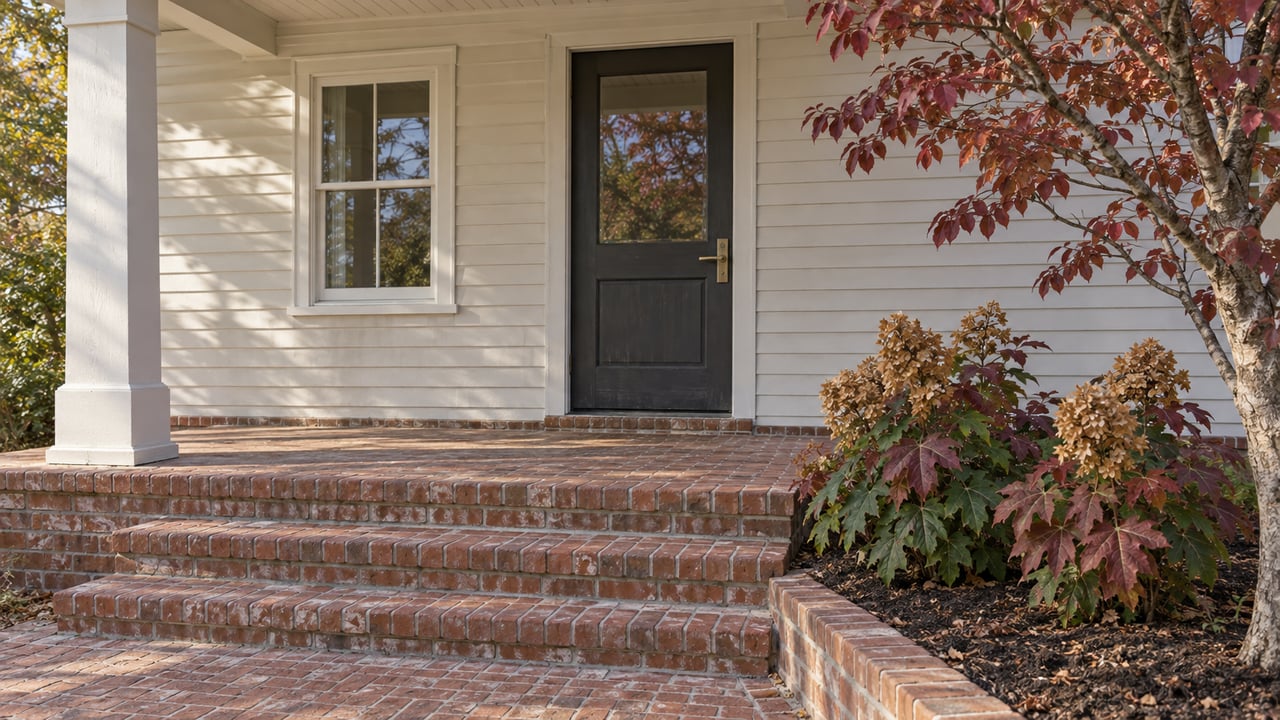
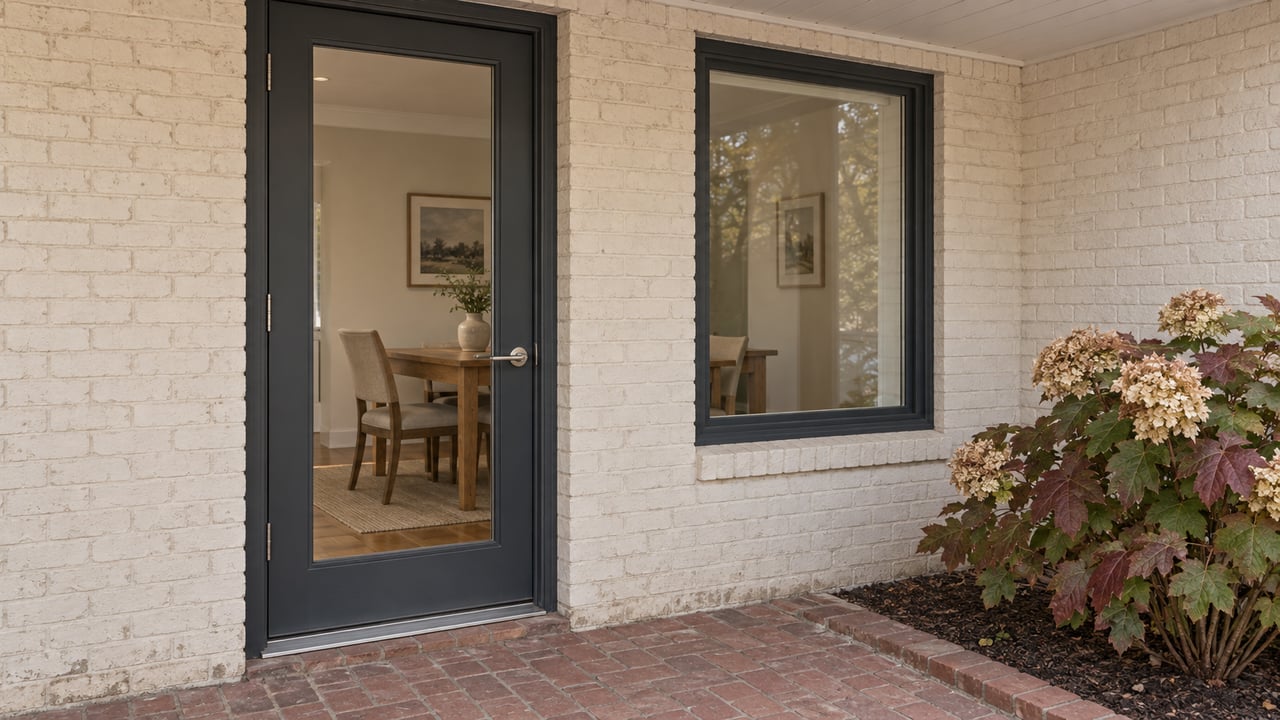
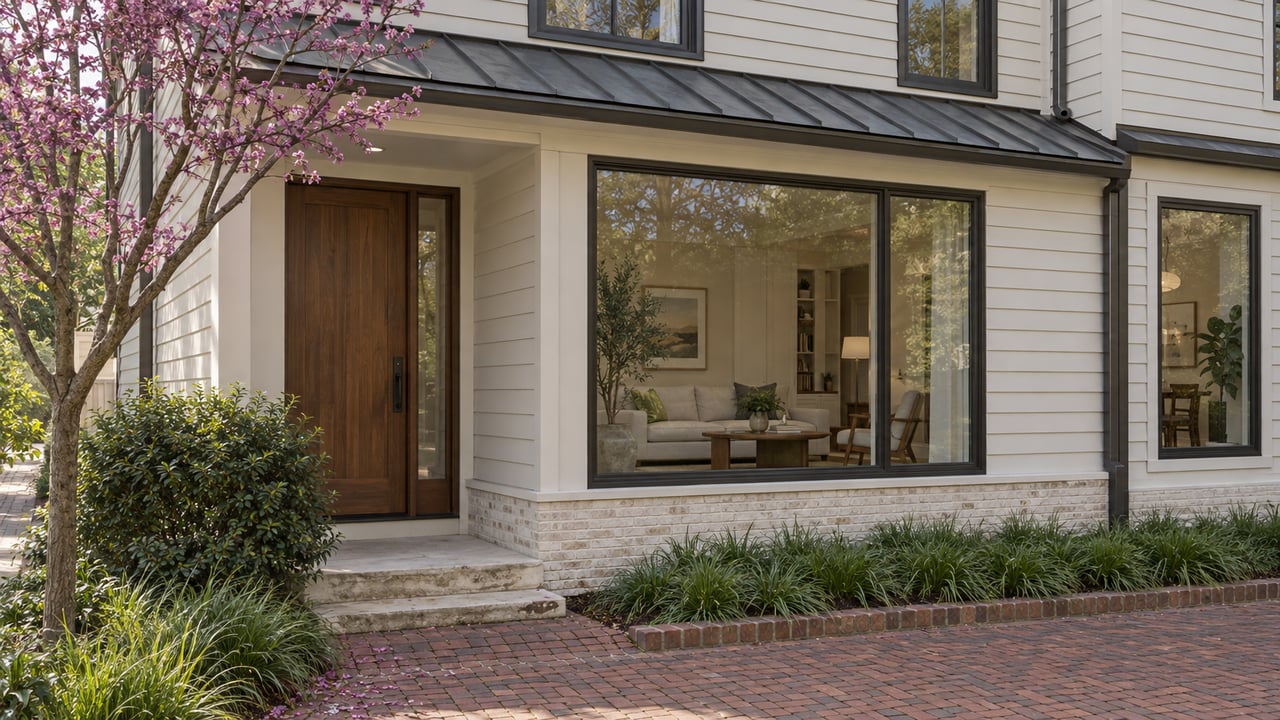
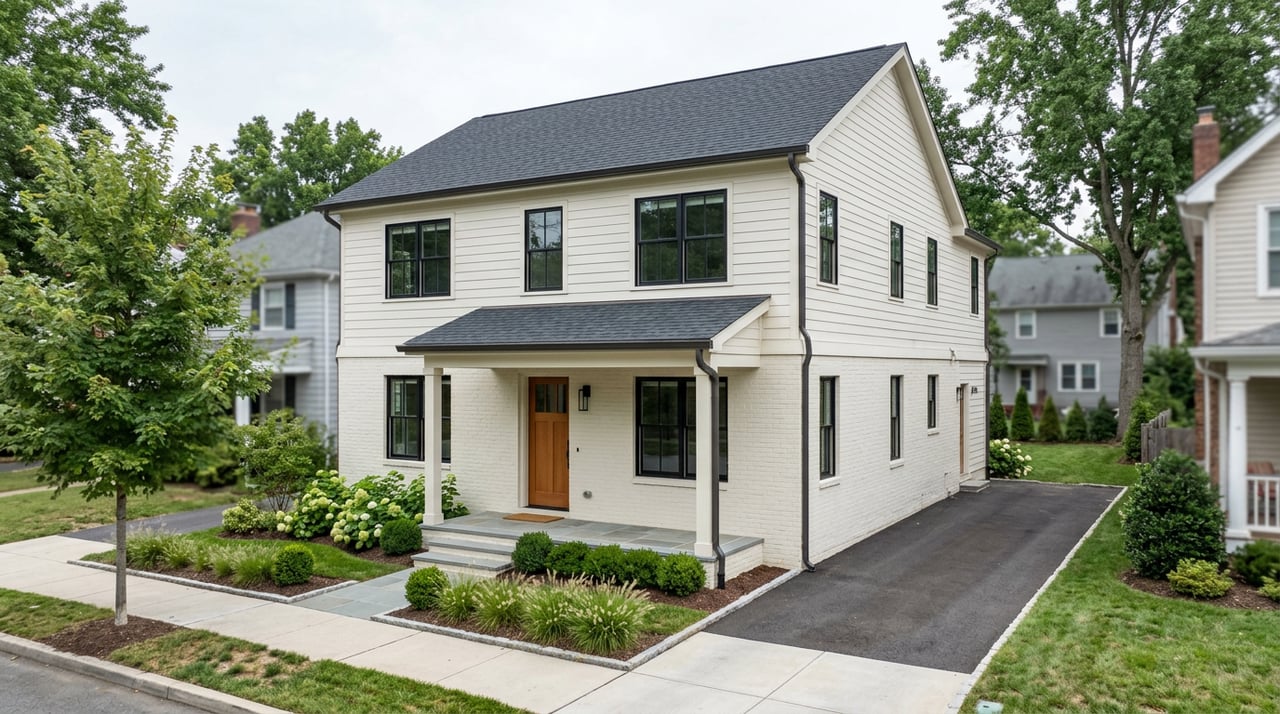
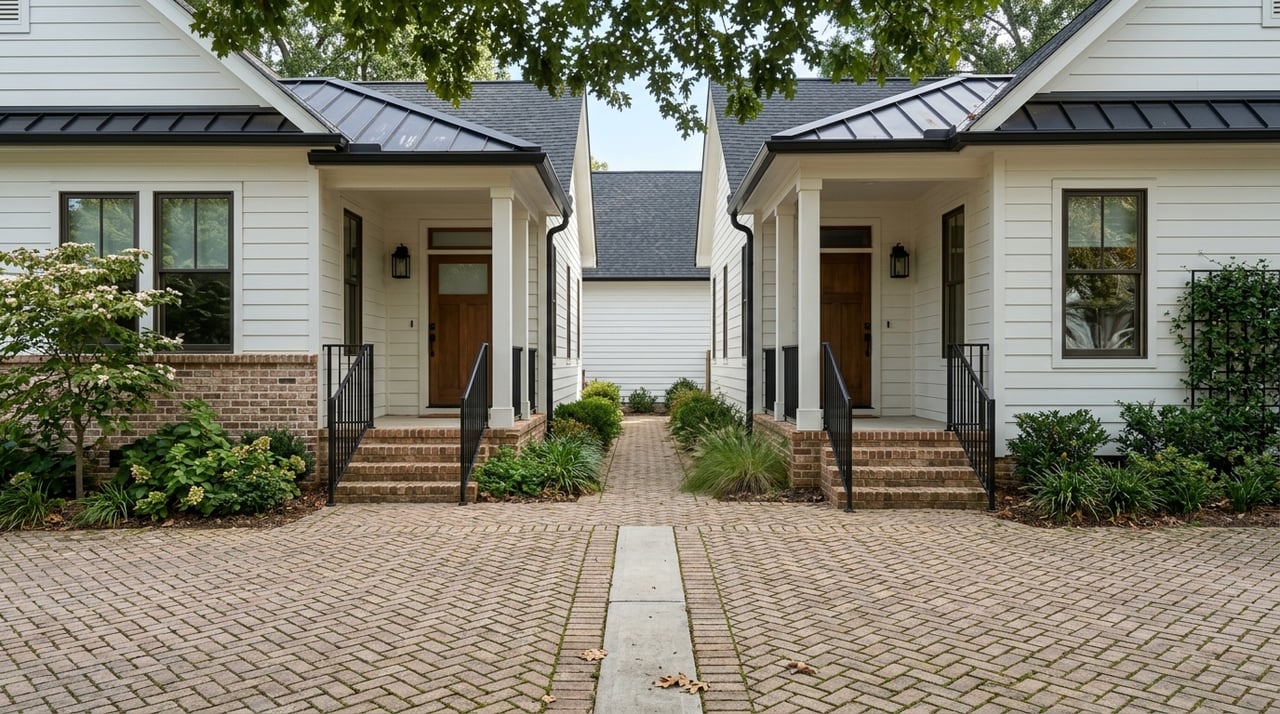
You will find a mix of townhomes and live‑work units, cottages, and custom estate homes. Architecture tends to be human scale with porches and lane access in some areas. Many buyers appreciate the compact blocks and the way homes frame shared green spaces and trail connections.
Energy performance is a core part of the brand. Newer Serenbe homes commonly pursue EarthCraft certification, and some product lines include geothermal systems, with homes often marketed as solar‑ready and EV‑ready. These features can lower operating costs and are frequently highlighted in listings. You can read more about performance standards on the community’s builder pages at Serenbe Real Estate. Serenbe has also hosted high‑performance demonstration homes, including projects covered by Architect Magazine.
Two practical tips as you shop: 1) Certification levels and installed systems vary by home and year, so confirm details for each property. 2) If energy features matter to you, ask for documentation such as EarthCraft or DOE certificates, geothermal specifications, and recent utility data.
Ownership, rules, and conserved land
Serenbe grew within a regional conservation framework that used Transfer of Development Rights to cluster homes into villages while protecting surrounding rural land. A nonprofit conservancy and recorded easements help safeguard open space for the long term. As a buyer, you should ask who holds any conservation easement that touches your lot and what it allows or prohibits. The Chattahoochee Hill Country Conservancy provides background on the area’s conservation model.
Design consistency is part of the value proposition. Expect recorded covenants, an Architectural Review Board process, and design guidelines that govern exterior colors, porches, fencing, landscape choices, and driveway standards. Before you commit, request the CC&Rs, ARB guidelines, HOA budget, and reserve study. Read them to understand how the rules align with your plans.
Utilities deserve a careful look. Serenbe highlights natural and decentralized wastewater approaches, including treatment systems and irrigation reuse in some areas. Nonstandard wastewater or private systems can affect lender underwriting and appraisal requirements, so plan to get permits, maintenance agreements, and inspection records early. Review Serenbe’s sustainability approach on the About page, and share the relevant sections of the HUD Single Family Housing Policy Handbook with your lender, available on HUD.gov.
Short‑term rentals are not a given. Serenbe includes the Inn at Serenbe and managed lodging, but homeowner rental rules are controlled by the CC&Rs and by local ordinances. If rental income is part of your plan, confirm permissions with the HOA and verify the City of Chattahoochee Hills rules before you set expectations.
What drives value in Serenbe
Serenbe pricing reflects housing type, hamlet location, views, proximity to village centers and trails, and the level of energy features. Townhomes and cottages serve a different buyer pool than large estate homes, so always compare like with like when you review comparable sales.
Lot setting matters. Homes that front green space, sit near village amenities, or back to trail corridors can command a premium among lifestyle buyers. High‑performance features such as EarthCraft certification or geothermal systems can also add appeal for buyers focused on lower operating costs.
HOA coverage and fees vary by hamlet and product type. Some dues address private roads, trail and common‑area maintenance, and reserves. Always confirm what is included for a specific property, and review the budget to understand long‑term obligations.
Due diligence checklist before you offer
Use this quick list to organize your homework and avoid surprises:
- Verify the exact parcel jurisdiction. Parts of Serenbe have addresses that tie to different counties or annexations. Confirm city and county so you understand taxes, permitting, and services. City planning documents, like this Chattahoochee Hills agenda packet, can help when boundaries are complex.
- Request and review HOA and design documents. Ask for the full CC&Rs, ARB/design guidelines, HOA rules, annual budget, and reserve study. Confirm what your dues cover and whether any developer transition is underway.
- Identify and read any conservation easements. Ask who holds the easement and clarify allowed uses, building envelopes, and stewardship duties. Learn more about the regional framework at the Chattahoochee Hill Country Conservancy.
- Get wastewater documentation. Obtain permits, operation and maintenance agreements, and recent inspection or repair records for any on‑site or community treatment system. Share details with your lender and check requirements in the HUD Handbook.
- Run a flood and insurance check. Look up the property on FEMA’s Map Service Center and get an insurance quote that includes flood coverage if needed. Start with the FEMA flood map tool.
- Confirm schools and services. School zones are address specific. Verify your public school assignment with the district and, if you are considering independent options, explore the on‑site Terra School overview via The Atlanta Guide.
- Nail down financing early. Get pre‑approved and confirm your lender is comfortable with any nonstandard items such as private roads, decentralized wastewater, or geothermal systems. If you plan to use FHA or USDA programs, verify eligibility and property standards using the HUD Handbook.
- Clarify rental and resale strategy. If you plan occasional or short‑term rentals, get written HOA rules and confirm city code compliance. If you value quicker resale, compare comps hamlet by hamlet so you understand your likely buyer pool.
- Check access and road maintenance. Determine if your access road is public or private and who maintains it. Confirm recorded maintenance agreements if the road is private.
- Ask about future phases. Find out whether new hamlets or for‑sale phases are planned nearby. Construction activity can affect daily life and short‑term comps. City agendas like this packet are a helpful resource.
- Test your real commute. Serenbe promotes easy access to the airport and a quieter setting. Drive your actual routes at peak and off‑peak hours to confirm what each day will feel like. The Serenbe About page provides general location context.
Resale outlook: advantages and cautions
Serenbe’s brand is powerful. The farm, trail network, and curated cultural events attract buyers who value walkability, wellness, and a strong connection to nature. National coverage highlights these lifestyle draws, which can support pricing for the right audience. See background on agrihood appeal in this Forbes feature.
A few cautions are worth noting. Niche communities often serve a narrower buyer pool at the high end, and lender requirements around on‑site wastewater or private roads can affect timing or terms. HOA rental rules may limit investor flexibility. Financing and appraisal standards are well documented in the HUD Handbook, so plan ahead and have paperwork ready.
How Intown Focus Realty helps you buy in Serenbe
Buying in Serenbe rewards clear guidance and great communication. As a boutique brokerage rooted in Atlanta’s Tri‑Cities and active across Serenbe and nearby markets, we pair local knowledge with patient, relationship‑first service. Our team is comfortable with the details that matter here, including HOA and ARB guidelines, conservation easements, and nonstandard utilities.
You get a hands‑on partner who will help you source the right documents, coordinate inspections, and pressure‑test commute and lifestyle fit. We also bring tech‑forward tools and steady negotiation to move you from interest to keys with confidence. If you are ready to explore homes in Serenbe or want a second opinion on a listing, connect with Intown Focus Realty. We are here to help you move with clarity and care.
FAQs
What is Serenbe and where is it located?
- Serenbe is a planned, biophilic community in the City of Chattahoochee Hills in southwest Fulton County, with village‑style hamlets focused on nature, food, and culture. Learn more on the Serenbe About page.
What amenities define the Serenbe lifestyle?
- Highlights include a working 25‑acre organic farm, village centers with shops and restaurants, and over 20 miles of private nature trails that link hamlets and parks. Explore the Living in Serenbe page.
Are Serenbe homes built with green features?
- Many newer homes pursue EarthCraft certification, and some include geothermal systems, with homes often marketed as solar‑ready and EV‑ready; always confirm features for each property. See performance context from Serenbe Real Estate.
How do HOA rules and design reviews work in Serenbe?
- Expect CC&Rs and an Architectural Review Board to guide exterior design, landscaping, and site standards; request CC&Rs, ARB guidelines, the HOA budget, and reserve study before you commit.
How does wastewater work in Serenbe and why does it affect financing?
- Serenbe cites natural and decentralized treatment approaches in some areas, which can trigger specific lender and appraisal requirements; gather permits and maintenance records and review the HUD Handbook with your lender.
Can I run a short‑term rental at my Serenbe home?
- Short‑term rentals depend on HOA rules and city ordinances; confirm permissions in writing with the association and review Chattahoochee Hills regulations before assuming rental income.
Which schools serve Serenbe and are there private options?
- Public school zones are address specific, so verify with the district; the community also features Terra School as an independent on‑site option, summarized by The Atlanta Guide.