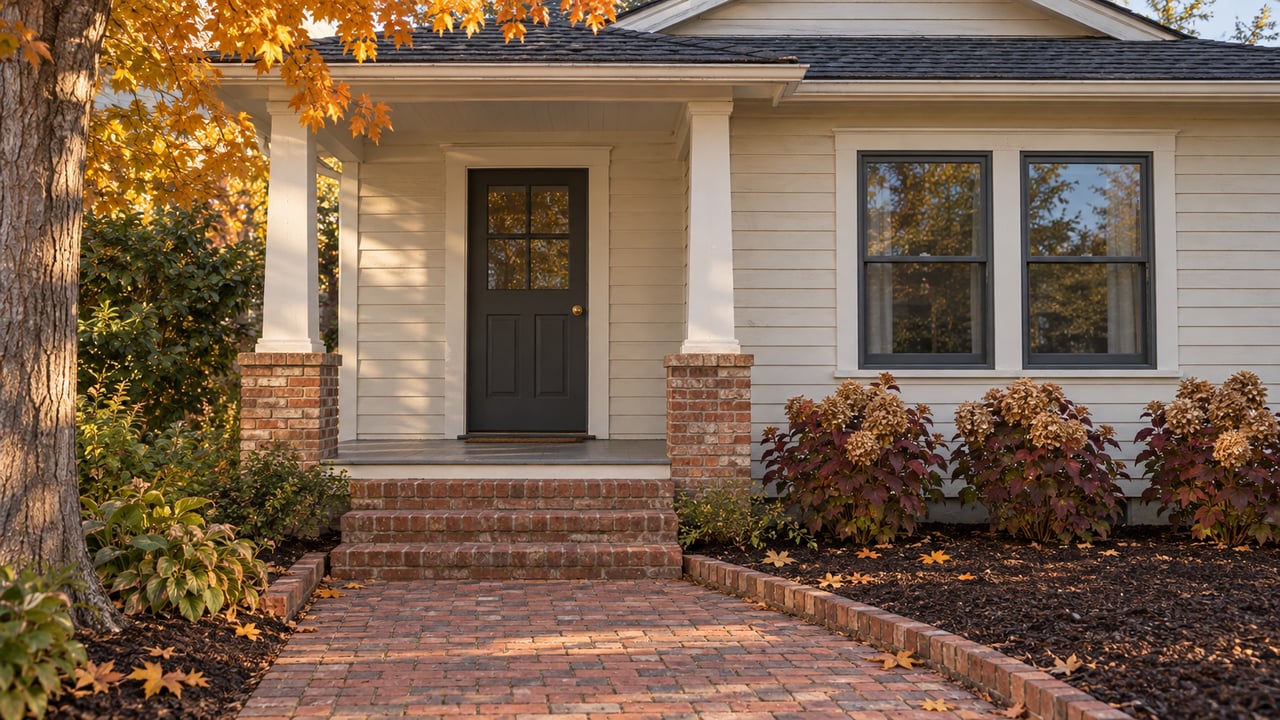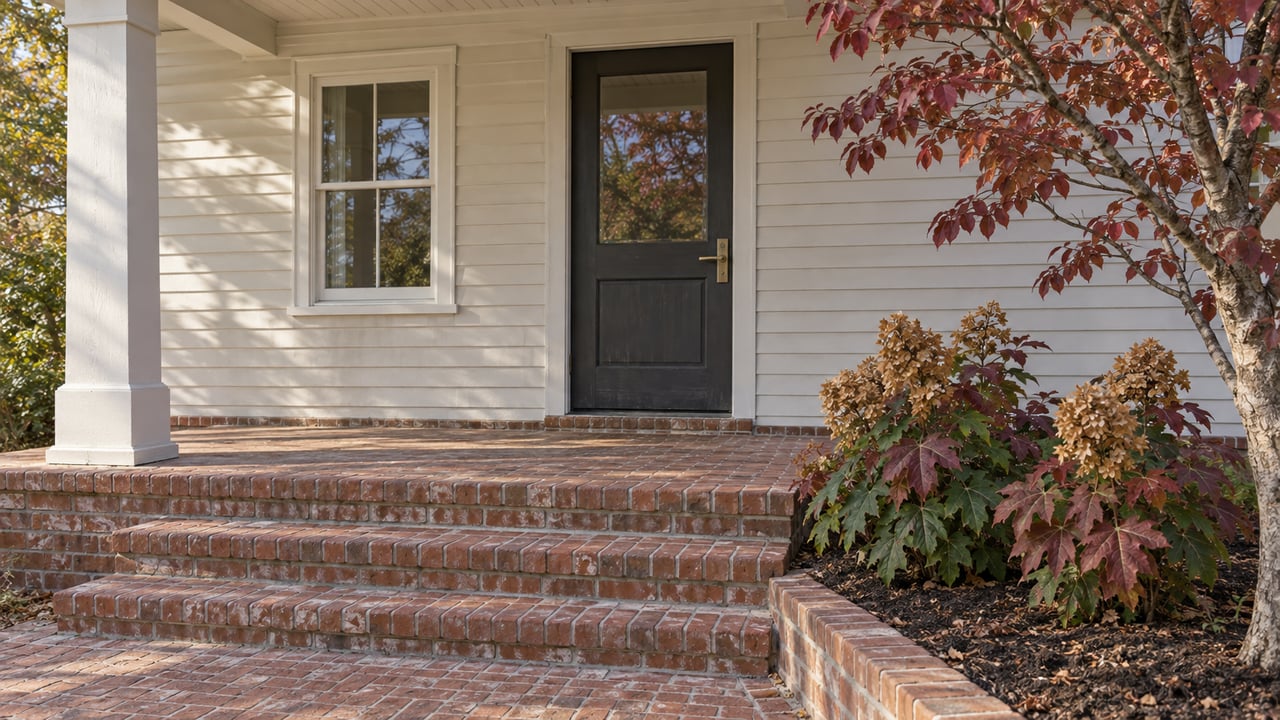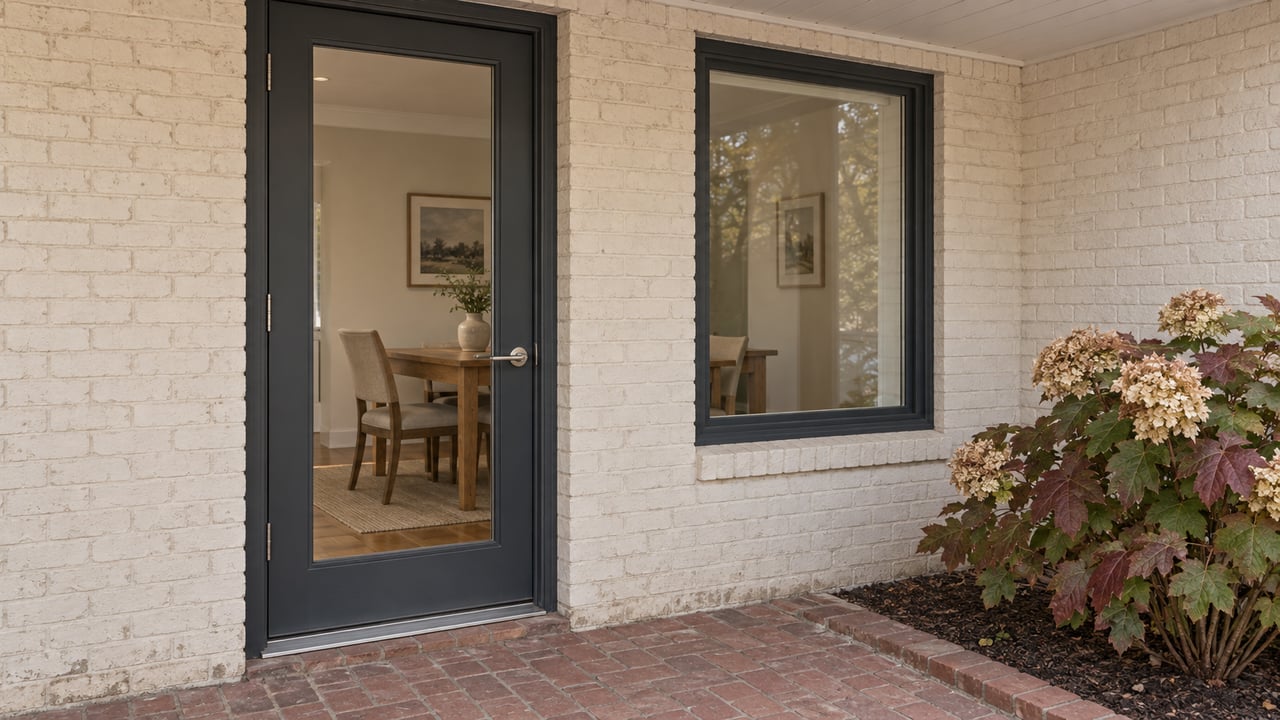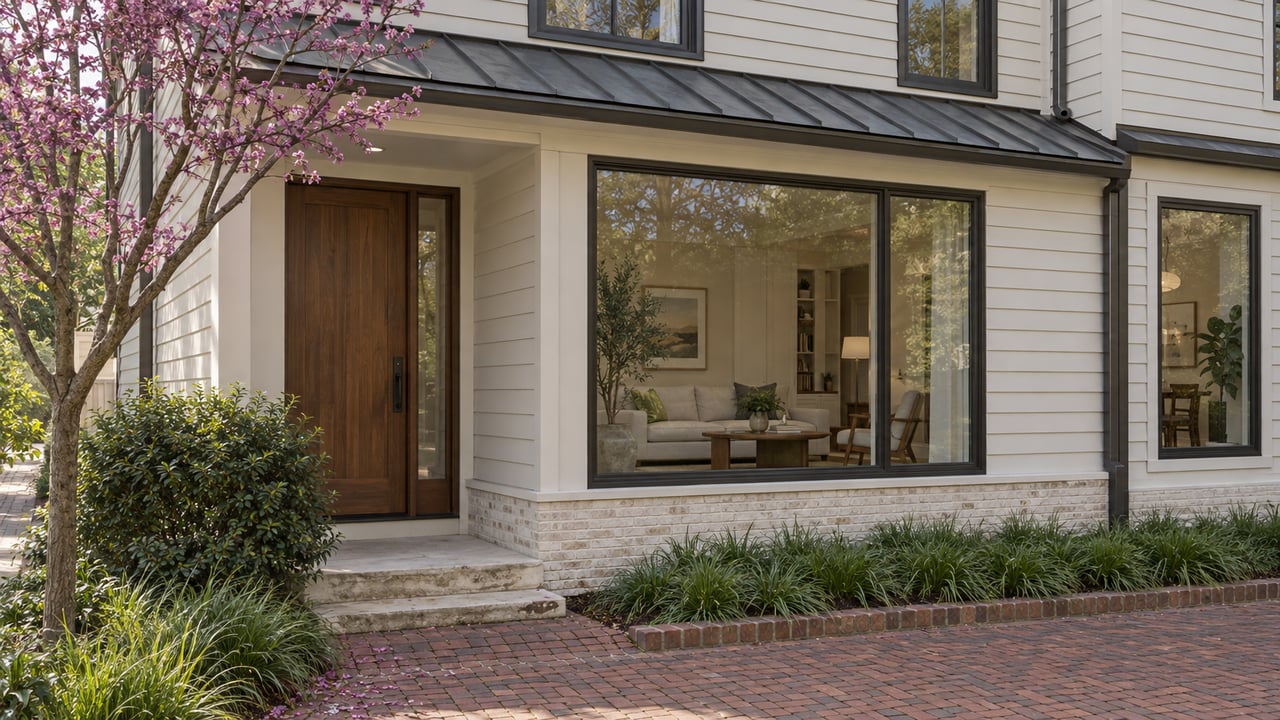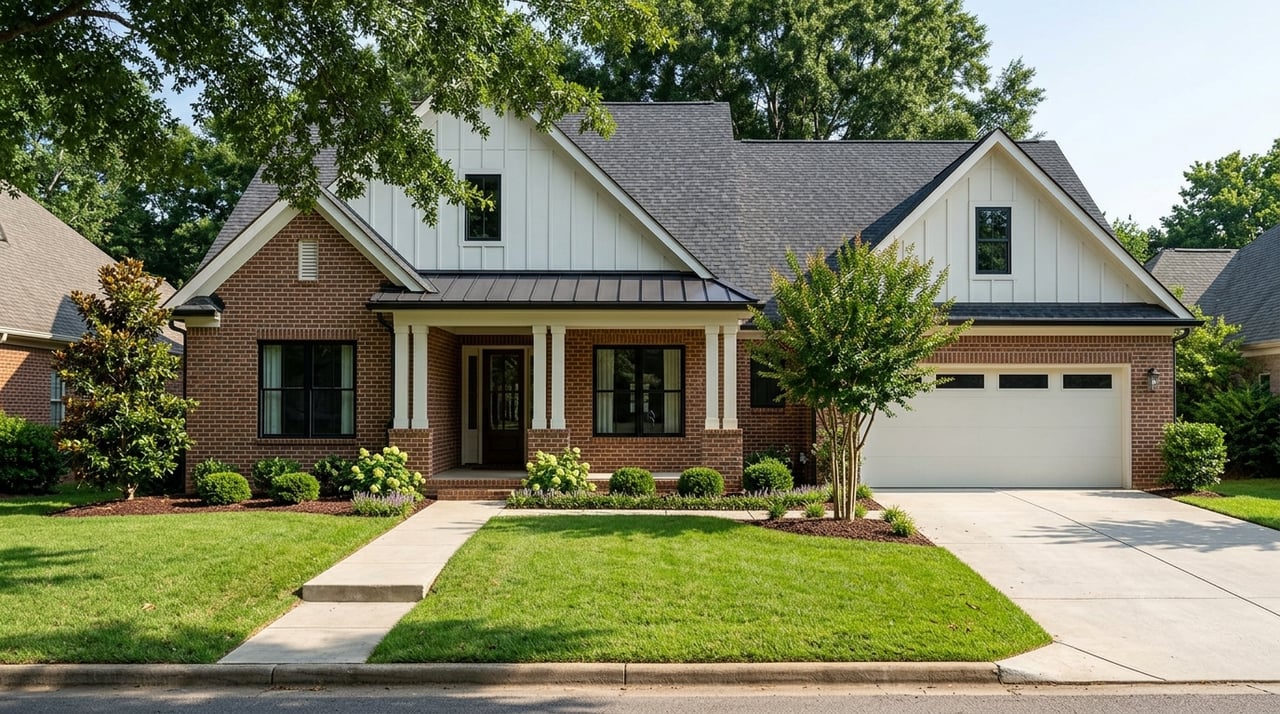
If you’re weighing new construction against an established neighborhood in Fayetteville, you’re not alone. It can be hard to tell whether a brand-new home with warranties and modern layouts is the better fit, or whether an older home on a more individualized lot gives you more long-term value. The good news is that Fayetteville offers both, and each comes with clear tradeoffs worth understanding before you make a move. Let’s dive in.
Fayetteville Gives You Real Choice
Fayetteville is not a one-note housing market. The city has a 69.0% owner-occupied rate, a median owner-occupied home value of $368,200, and a median age of 42.7, which points to a market with many long-term homeowners and a stable residential base.
At the same time, Fayetteville is growing and changing. The city’s planning documents describe it as historically more rural than some suburban peers, while recent development activity and housing trends have added momentum. City planning also reflects a balancing act: encouraging new development while promoting the maintenance of existing neighborhoods.
New Construction in Fayetteville
New construction in Fayetteville covers a wider range than many buyers expect. Current examples include townhomes on lots of about 4,356 square feet and single-family homes on 1-, 2-, and 5-acre lots. In other words, “new construction” here can mean anything from a more compact, walkable setup to an estate-style property.
That range matters when you compare options. Some planned residential standards in the city allow smaller lots for detached, cluster, and attached homes, while other districts use much larger minimum lot sizes. If you are shopping new homes, it helps to look beyond the model home and ask how the lot, streetscape, and neighborhood design fit your day-to-day needs.
What New Construction Often Offers
One of the biggest draws of new construction is current code compliance. Fayetteville enforces current state minimum construction codes, including the 2018 International Residential Code with Georgia amendments, so a newly built home should reflect today’s baseline standards at the time it is completed.
You may also see features that feel more planned and consistent from one home to the next. In some planned districts, standards can include sidewalks, streetlights, underground utilities, public water and sewer, rear-yard garages, and recommended front porches. That can create a more uniform feel, especially in areas shaped to support a more walkable or urban context.
Builder-backed warranty coverage is another common benefit. The research reviewed notes that many new-home warranties often cover workmanship and materials for one year, systems like HVAC, plumbing, and electrical for two years, and some major structural defects for up to 10 years, depending on the builder.
What to Watch With New Construction
The flip side is that warranty coverage is not unlimited. Some appliances and minor defects may be excluded, so it is important to read the warranty terms carefully rather than assume every issue will be covered after closing.
The buying process can also be more layered than a typical resale purchase. In Fayetteville, new development goes through planning and zoning review, engineering review, platting, permits, inspections, and final approval. For an individual single-family home, the permit process may require items like water-meter and sewer-tap receipts, a foundation survey, and separate mechanical, electrical, and plumbing permits before the project is complete.
Financing can also look a little different if the home is not finished yet. A builder may ask for an upfront deposit, and buyers should pay close attention to the refund terms. You can also shop for your own lender rather than assume you must use the builder’s preferred option.
Questions to Ask About a New Home
Before you move forward with new construction in Fayetteville, ask for specifics like these:
- What is the exact lot size?
- What parts of the yard, driveway, and landscaping are included?
- Which features are included in the base price?
- Which finishes or features count as upgrades?
- What is the expected timeline from permit approval to closing?
- What warranty coverage applies to workmanship, systems, and structure?
- What deposit is required, and when is it refundable?
- Are sidewalks, fencing, irrigation, or appliances included?
Established Neighborhoods in Fayetteville
Established neighborhoods in Fayetteville often connect more closely to the city’s historic pattern of development. Downtown Fayetteville is treated as a historic Main Street district, with city efforts focused on both preservation and revitalization. Planning around the downtown area also emphasizes density, amenity space, traffic flow, and pedestrian safety.
For buyers, that older fabric can translate into homes and settings that feel less standardized. Current resale examples include homes built in 1950, 1960, and 1987 on lots ranging from about 0.3 to 1.24 acres. That suggests established areas can offer a broader mix of house ages, lot sizes, and home styles than you may find in a single new-build community.
What Established Areas Often Offer
The biggest advantage of an established neighborhood is often individuality. You may find mature lots, varied floor plans, and homes that do not all follow the same exterior look or site plan. If you value character, lot variation, or a neighborhood that has evolved over time, resale homes may give you more options.
In some cases, established homes may also offer larger lots than newer, more compact products. That is not universal, but it is a real part of the Fayetteville comparison. The city’s broader housing mix still leans heavily toward conventional single-family and estate-home categories, so buyers who want space may find strong options in older areas.
You may also have a clearer picture of the surrounding neighborhood from day one. With an established home, roads, landscaping, drainage patterns, and nearby development are usually easier to observe than in a community that is still being built out.
What to Watch With Established Homes
The main tradeoff with a resale home is condition. Older homes can come with aging roofs, HVAC systems, water heaters, windows, or drainage issues that are not always obvious during a first showing.
That is why inspections matter. A buyer should make an offer contingent on a satisfactory inspection so serious flaws do not become a surprise after closing. It is also wise to ask whether additions, decks, or outbuildings were permitted and whether recent repairs were documented.
Warranties work differently, too. A builder warranty is not the same as a home warranty or service contract, which is more common with existing homes and is usually an extra product rather than automatic coverage.
Questions to Ask About an Established Home
If you are looking at a resale property in Fayetteville, start with practical condition questions:
- How old are the roof, HVAC system, water heater, windows, and other major components?
- Have additions, decks, or outbuildings been permitted?
- Is there any history of water intrusion, drainage issues, or grading work?
- What repairs have been completed recently?
- Are receipts or permits available for that work?
- Is there a transferable home warranty?
- Is there a recent inspection report available?
Cost Comparison: Think Broadly
When buyers compare new construction and established neighborhoods, the price conversation is rarely as simple as “one costs more.” In Fayetteville, it often makes more sense to compare base price versus lot premium and upgrades on a new home, and purchase price versus likely repair or replacement costs on a resale home.
A lower advertised new-home price may rise quickly if you add premium lots, upgraded finishes, appliances, or exterior improvements. On the resale side, a home may look appealing at the contract price but need a roof, HVAC replacement, or drainage work sooner than expected.
Property taxes are another piece of the picture. Fayette County’s Board of Assessors appraises property at fair market value as of January 1 each year, and the county offers homestead exemptions for qualifying owner-occupants. That means your total ownership cost should be part of the conversation, not just the purchase price.
Which Fayetteville Option Fits You Best?
If you want a home that feels turnkey, follows current code standards, and may include builder warranty protection, new construction may be the better fit. It can also appeal to buyers who prefer more predictable finishes, neighborhood standards, and lower near-term repair risk.
If you care more about lot individuality, varied home styles, or an established setting tied more closely to Fayetteville’s older development pattern, a resale home may be the stronger choice. You may get more personality and a clearer sense of the surrounding environment, but you should go in with a sharper eye on condition and maintenance history.
In Fayetteville, this decision is often less about new versus old and more about standardized and warranty-backed versus individualized and potentially larger-lot. That is why it helps to compare homes based on your lifestyle, your maintenance tolerance, and how you want to live day to day.
Whether you are buying your first home, moving up, or weighing a suburban move within metro Atlanta, having local guidance can make the decision much clearer. If you want help sorting through Fayetteville options, connect with Intown Focus Realty for practical, relationship-first support tailored to your goals.
FAQs
What is the main difference between new construction and established neighborhoods in Fayetteville?
- In Fayetteville, new construction often offers current code compliance, more standardized features, and builder warranty coverage, while established neighborhoods often offer more individualized homes, varied lot sizes, and a setting tied more closely to the city’s earlier development pattern.
Are new construction homes in Fayetteville only large-lot properties?
- No. Current examples include both compact townhome-style product on smaller lots and single-family homes on 1-, 2-, and 5-acre lots, so the new-construction market covers a broad range.
What should you ask before buying a new construction home in Fayetteville?
- You should ask about exact lot size, what is included in the base price, which items are upgrades, expected build timeline, deposit terms, warranty coverage, and whether features like appliances, fencing, sidewalks, or irrigation are included.
What should you check before buying an established home in Fayetteville?
- Focus on the age and condition of major systems, any history of water intrusion or drainage work, whether additions were permitted, what repairs have been completed, and whether receipts, permits, or a recent inspection report are available.
How should you compare costs between new and resale homes in Fayetteville?
- A smart comparison is broad rather than exact: look at base price, lot premiums, and upgrades for new homes, then compare that against likely repair and replacement costs for an existing home, along with property tax considerations and possible homestead exemptions.