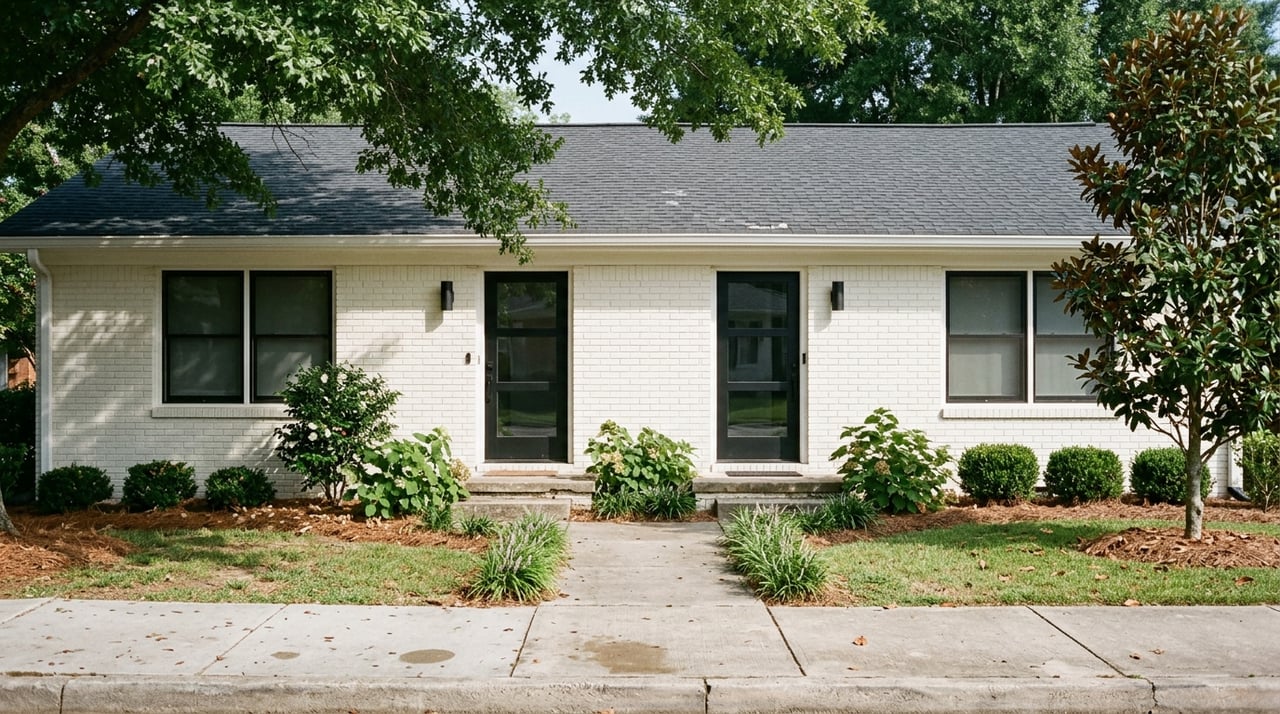
Are you thinking about renting out a home in Fayetteville, but feeling unsure about where to start? That is common for small landlords, especially when you are balancing pricing, property condition, lease details, and local rules all at once. The good news is that Fayetteville’s rental market gives you real opportunity if you stay practical and organized. In this guide, you’ll learn how to position your property, prepare a solid lease process, and avoid common mistakes so you can lease with more confidence. Let’s dive in.
Fayetteville Rental Market Basics
Fayetteville sits in a growing suburban market, and that matters if you own a rental home. The city population reached 20,465 in 2025, while Fayette County reached 125,107 in 2024, and both have grown since 2020. For a small landlord, steady growth can help support ongoing leasing activity.
The local housing mix also gives helpful context. About 69.0% of homes in Fayetteville are owner-occupied, and the county owner-occupied rate is 81.0%. That means rentals are a smaller share of the overall housing stock, so a clean, well-presented home can stand out more easily.
Rent levels provide another useful benchmark. Median gross rent is $1,720 in Fayetteville and $1,787 across Fayette County. These figures do not set your exact asking rent, but they do show that renters in the area are used to a suburban price point and will likely compare value carefully.
What Fayetteville Renters Often Want
If you want better leasing results, focus on the features renters care about most. Zillow’s 2025 renter survey found that renters consistently rank budget, location, bedroom count, bathroom count, floor plan, pet-friendliness, and broadband internet as top priorities. In other words, the basics matter more than flashy upgrades.
That is especially relevant in Fayetteville. Household size is 2.51 in the city and 2.75 in the county, about 22% of residents are under 18, and mean commute times are around 33 minutes. Those patterns point to a market where space, layout, convenience, and day-to-day livability matter.
A reasonable local takeaway is that well-kept 3-bedroom and 4-bedroom homes and practical townhomes may appeal to a broad group of renters. That is not based on a Fayetteville-only vacancy study, but it does fit the local census profile and broader renter preferences. If your home is easy to maintain, move-in ready, and functional, you may already have a strong starting point.
Property Types That Can Perform Well
Detached homes deserve special attention in this market. Zillow found that 28% of renters live in single-family detached houses, and 68% of renters who hoped to rent a detached house actually secured one. That tells you detached homes are not just popular in theory. They are regularly being rented by the households that want them.
Townhomes can also be a practical fit. Zillow reported that 8% of renters live in townhouses or rowhouses, and those homes often offer the layout, bedroom count, and lower-maintenance setup many renters want. In a suburban market like Fayetteville, a clean townhome with good digital presentation can attract solid interest.
The typical renter in Zillow’s survey lives in a 2-bedroom, 1-bath home between 1,000 and 1,499 square feet. Still, local conditions in Fayetteville suggest that somewhat larger homes may also have appeal, especially when they offer flexible living space and a practical commute setup. The key is not to overcomplicate the property. Renters often want a home that simply works well for everyday life.
Timing Your Lease for Better Results
Lease timing can affect both demand and your flexibility as a landlord. Zillow’s 2025 report says 12 months is the most common fixed lease term, with 59% of fixed-term renters signing for one year. That makes a 12-month lease a familiar option for many renters and a practical default for many small landlords.
The same report found that renters are most likely to move in March, April, May, and June. They are least likely to move in November and December. If your property will become vacant, spring and early summer are often the strongest window to market it.
Winter leasing may still work, but you may need a more flexible strategy. Demand is usually slower in late fall and winter, and renters may have fewer choices but also less urgency. In that season, strong presentation, responsive communication, and realistic pricing become even more important.
What to Include in Your Lease
A clear written lease protects both you and your tenant. The Georgia Landlord-Tenant Handbook says important lease details should be in writing, including who manages the property, the unit description, lease length and end date, rent and due date, late charges, payment method, early termination terms, deposit amount, utilities, pet rules, parking, pest control, repair requests, and entry notice.
For a small landlord, that list is a good working checklist. It helps reduce confusion and gives both sides a clear reference point if questions come up later. A short lease with missing details may seem simpler at first, but it often creates more problems over time.
You should also understand what can happen when a lease expires. According to the Georgia handbook, if a written lease ends and you allow the tenant to remain, a tenancy-at-will can be created. In that situation, the landlord generally needs 60 days’ notice to terminate, while the tenant generally needs 30 days’ notice to leave.
Present the Home Like a Professional
Good presentation is one of the most practical advantages a small landlord can control. In Zillow’s 2025 survey, 33% of recent renters said virtual staging was essential, 29% said interactive 3D tours were essential, 62% preferred to apply online, and 47% preferred to sign a lease online. That tells you digital convenience is no longer optional for many households.
Start with the basics. Use clean, bright photos, simple listing language, and a straightforward application process. If your home has a practical layout, solid natural light, and good condition, your marketing should make those strengths easy to see right away.
This is also where working with a brokerage can help. Intown Focus Realty brings tech-enabled presentation tools and leasing experience that can support pricing, marketing, showings, tenant sourcing, and lease coordination. For a small landlord, that kind of support can save time and help your property compete more effectively online.
Focus on Condition and Habitability
Before you market the property, make sure the home is ready in the ways renters care about most. The Georgia Landlord-Tenant Handbook says residential landlords must keep the unit safe and habitable, maintain the structure, keep electric, heating, and plumbing in working order, and exercise ordinary care to keep the unit and access safe.
That standard is not about perfection. It is about making the home safe, functional, and dependable. In a market where renters care about condition, service, and ease of living, those basics have a direct effect on both interest and tenant satisfaction.
A smart pre-listing checklist might include:
- Test heating, plumbing, and electrical systems
- Fix obvious leaks, wear, or safety concerns
- Clean the home thoroughly
- Confirm doors, locks, and access points work properly
- Review parking, trash, and utility arrangements
- Make sure broadband access is easy to explain in your listing
Document Everything Carefully
Even if you only own one rental, strong records can save you headaches. The Georgia handbook says landlords with more than 10 rental units or those using a management agent must follow formal move-in and move-out inspection processes and security deposit handling rules. Smaller landlords may not face the same formal requirements in every case, but using the same checklist-and-photo habit is still a smart practice.
Take photos before move-in and again at move-out. Use a written condition checklist and keep copies of lease documents, payment records, repair communications, and notices. Clear records can reduce misunderstandings and make it easier to resolve disputes if they happen.
You should also keep financial records separate from personal spending. The research report notes that rental income generally must be reported, and common rental expenses such as maintenance, insurance, taxes, and interest are generally deductible. Clean records make tax time easier and can be especially helpful if the home was recently converted to rental use or has mixed personal and rental use.
Screen Consistently and Fairly
Tenant screening should be consistent, documented, and fair. The Fair Housing Act prohibits housing discrimination based on race, color, national origin, religion, sex, familial status, and disability. For a small landlord, that means using neutral screening standards and applying them the same way to every applicant.
If you deny an application because of a tenant screening report, consumer guidance says you must provide an adverse action notice. That notice should include the screening company’s contact information and tell the applicant about their right to get a free copy of the report and dispute errors. This is an easy area to overlook, so it is worth building into your process from the start.
A simple, consistent screening process might include:
- Written rental criteria used for every applicant
- Complete applications from all adult occupants
- Documented income and identity checks
- Clear communication about timelines and next steps
- Written records of approvals or denials
Know When to Bring in Help
Small landlords often try to do everything themselves at first. Sometimes that works well. But there are moments when outside help can protect your time, reduce mistakes, and improve results.
A local brokerage can help when you need market-backed pricing, stronger marketing, organized showings, tenant sourcing, and lease coordination. Intown Focus Realty’s broker has more than 20 years of experience in property management and rentals, which can be especially helpful if you want a more polished leasing process without losing the personal attention of a boutique firm.
Professional help may also make sense if a dispute grows beyond a simple conversation. The Georgia Attorney General’s consumer guidance says state agencies cannot resolve landlord-tenant disputes for the parties and recommends private legal counsel or Georgia Legal Services if the issue cannot be resolved. Fayette County Magistrate Court’s FAQ also points landlords and tenants to the Georgia Landlord-Tenant Hotline at 404-463-1596.
Long-Term Rentals vs Short-Term Rentals
This guide is based on standard long-term residential leasing. If you are thinking about using a property as a vacation-style rental instead, Fayetteville has a separate registration and permitting path. The city’s Unified Development Ordinance also requires a local agent to be available at all times for that use.
That means a short-term rental is not just a shorter lease. It is a different compliance path with different local requirements. If your goal is stable, traditional rental income, long-term leasing may offer the more straightforward route.
Practical Takeaways for Small Landlords
If you want to keep things simple, focus on what matters most in Fayetteville’s rental market. Price the home realistically, present it well, keep it in sound condition, and use a clear written lease. Those steps can do more for your success than chasing every possible upgrade.
Just as important, stay organized. Good photos, clean records, consistent screening, and a clear process can help you operate with more confidence and less stress. In a market where rental supply is smaller than owner-occupied housing, a well-run rental can stand out.
If you want local guidance on pricing, marketing, showings, tenant sourcing, or lease coordination, Intown Focus Realty is here to help you approach your Fayetteville rental with a practical, neighbor-first strategy.
FAQs
What lease length is most common for Fayetteville rental homes?
- A 12-month fixed lease is the most common rental term based on Zillow’s 2025 renter survey, and it is often a practical starting point for small landlords in Fayetteville.
What types of rental properties often appeal to Fayetteville renters?
- Well-kept single-family homes and practical townhomes may have broad appeal because renters often prioritize budget, layout, bedroom count, commute, and everyday functionality.
What should a Georgia landlord include in a written lease?
- A written lease should cover key terms such as the property description, lease dates, rent amount and due date, late charges, deposit, utilities, pets, parking, repair requests, and entry notice.
What happens if a Georgia lease expires and the tenant stays?
- If a written lease expires and the tenant remains with the landlord’s permission, a tenancy-at-will can be created, and the landlord generally needs 60 days’ notice to terminate while the tenant generally needs 30 days’ notice to leave.
What condition standards apply to Fayetteville rental homes?
- Georgia guidance says landlords must keep residential units safe and habitable, maintain the structure, keep major systems working, and use ordinary care to keep the unit and access safe.
What should small landlords know about screening rental applicants?
- You should use consistent, neutral screening criteria for every applicant and provide an adverse action notice if you deny an application because of a tenant screening report.
Is a short-term rental in Fayetteville handled the same way as a long-term lease?
- No. Fayetteville has a separate registration and permitting framework for short-term rentals, so that use follows a different compliance path than a standard long-term residential lease.