What if one of Fayetteville’s biggest lifestyle drivers is not just about movies, but about how you spend an ordinary Tuesday? If you are thinking about moving to Fayetteville, buying nearby, or simply trying to understand what makes this area feel different, the local film scene is part of the story. From studios and mixed-use development to restaurants, events, parks, and housing choices, Fayetteville’s film presence touches daily life in practical ways. Let’s take a closer look.
Fayetteville’s film identity runs deep
Fayetteville has become closely tied to Georgia’s film economy, with Trilith Studios and the Town at Trilith standing at the center of that identity. At the state level, Georgia reported $2.6 billion in film and television production spend in fiscal year 2024 and earned the No. 1 film production ranking from Business Facilities Magazine in 2024.
Locally, Fayetteville has not treated film as a passing trend. The city’s economic strategy identifies film-support businesses as a target sector, showing that local planning connects film activity with long-term business growth.
Film shapes more than studio jobs
When people hear “film industry,” they often picture actors, sets, and sound stages. In Fayetteville, the impact is broader and more practical, because the city also points to support sectors like catering, transportation, staffing agencies, and talent-related services.
That matters for local living because a strong support network can bring more business activity into the area. It also helps explain why film in Fayetteville affects not only entertainment, but also shopping, dining, services, and housing demand.
The city is balancing growth and daily life
Fayetteville’s filming-permit policy makes that balance clear. The city says it aims to support the film industry while also protecting residents’ quality of life.
Projects inside city limits require a permit, while filming at Trilith’s gated studios is exempt. That setup reflects a local approach where film activity is welcomed, but community routines still matter.
The Town at Trilith blends work and lifestyle
One reason Fayetteville’s film scene feels so visible is that it is not hidden behind studio walls. The Town at Trilith combines studios, homes, shopping, dining, trails, and parks in one connected environment.
That kind of layout changes how a place feels. Instead of film being a separate industry district, it becomes part of the local rhythm, with places to eat, gather, walk, and live all nearby.
Dining and events add everyday energy
The Town at Trilith includes a growing mix of restaurants and food businesses such as Amici, ENZO, Barleygarden, HERO Doughnuts & Buns, Honeysuckle Gelato, Hop City, Sensu Sushi, Prologue Dining & Drinks, and Woodstone Bakery & Café. For residents, that means the film-centered district also works as a real neighborhood destination.
The event calendar adds another layer. Recurring programming has included events like Galentine’s Day, Taste of Trilith, and Juneteenth celebrations, which help create a sense of public life beyond studio production.
Entertainment keeps the district active
Trilith LIVE expands the area’s role as an entertainment hub. The venue is designed for concerts, rehearsals, live audience productions, conventions, corporate meetings, performing arts, trade shows, exhibitions, and special events.
GPB also reported that the completed campus includes a nine-screen movie theater, a performance venue, and a public plaza. That kind of mix can make the area feel active even when you are not thinking about film production at all.
Film brings visitors, too
Fayetteville’s film scene is also tied to tourism. The Georgia Department of Economic Development says visitors can tour studio exteriors and the Town at Trilith, then explore the dining and shopping district.
That visitor activity can support local businesses and add momentum to the area’s commercial growth. GPB reported that the Trilith Guesthouse logged more than 3,300 hotel room nights in 2025, which suggests film and entertainment traffic is also reaching hospitality and visitor spending.
Downtown Fayetteville has its own momentum
Fayetteville’s story is not only about Trilith. Downtown Fayetteville has also been building energy through shops, restaurants, arts, public space, and year-round events.
The city’s Main Street program says it supports local shops, restaurants, arts, and commerce. The Downtown Master Plan also notes that new restaurants, public art, landscaping, and events on the square are helping bring new life to downtown.
Public spaces make downtown more livable
Downtown Fayetteville offers practical perks like free parking and year-round outdoor events. Those details may sound small, but they shape how easy and enjoyable it feels to spend time there.
City Center Park adds even more to the downtown core. The park includes walking paths, a playground, a splash pad, a dog park, and the Great Lawn, giving residents flexible outdoor space close to shops and event venues.
Growth is showing up in mixed-use projects
The city says City Center Park is bordered by The Dottie event center and Triumph Station. It also notes that a nearby mixed-use project will include residential housing, commercial space, and retail.
Taken together, these projects show that Fayetteville’s growth is happening in more than one place. The film scene may be a major catalyst, but downtown investment is helping shape a fuller local lifestyle.
Housing options reflect changing demand
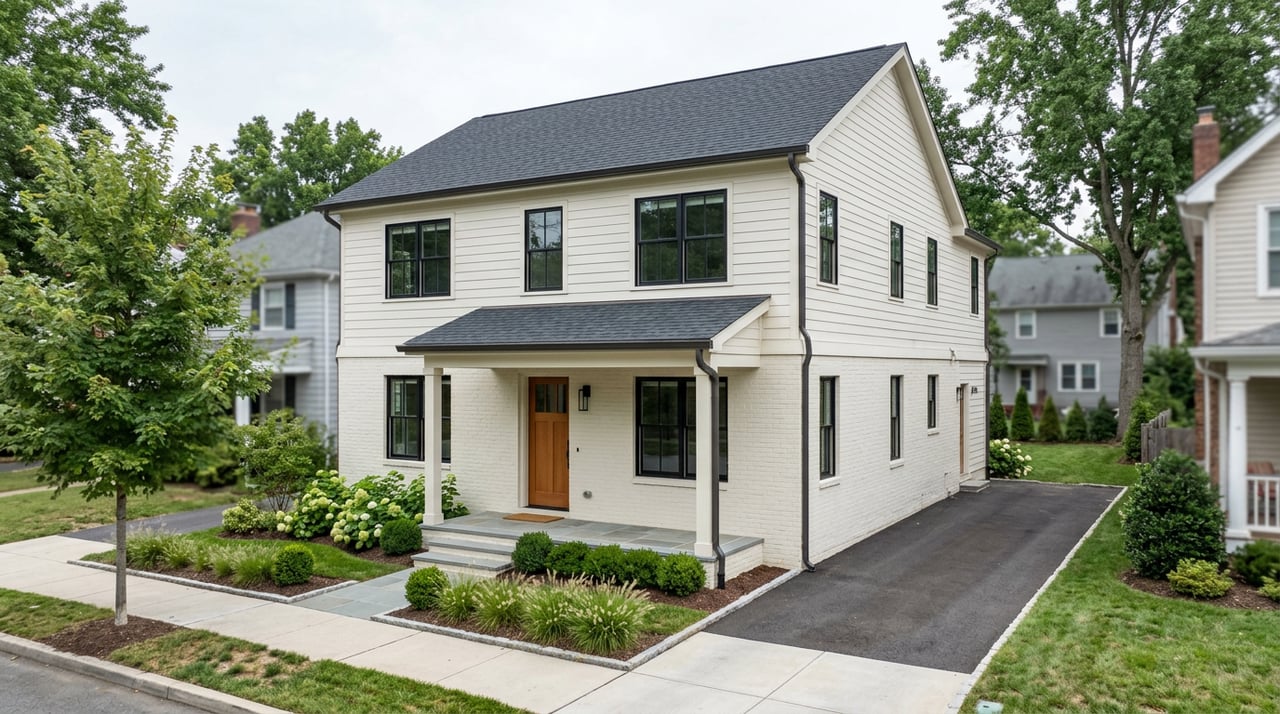
If you are exploring a move to Fayetteville, housing variety is a big part of the picture. At Trilith, the housing mix includes detached homes, townhomes, and apartments above retail, with homes placed next to parks or pocket parks.
That range matters because not every buyer wants the same setup. Some people want a low-maintenance home near dining and events, while others want more space with access to trails and nearby amenities.
Walkability and shorter commutes appeal to buyers
The studio-town layout supports a reasonable conclusion that film-related employment can help drive demand for nearby housing, rentals, and walkable mixed-use living. For some residents, being close to work, restaurants, and public spaces can be a meaningful lifestyle advantage.
GPB reported in January 2026 that the Town at Trilith includes 1,350 single-family and multifamily homes developed and managed with Trilith Studios to serve the entertainment industry. That scale shows how closely housing and the local film economy are linked.
New development can expand your choices
The official Trilith site says new phases of construction are still being promoted. For buyers and renters, that can mean more opportunities to find a home style and location that match your daily routine.
It also means Fayetteville is still evolving. If you are considering the area, it helps to look at both current inventory and how ongoing development may shape future options.
Nature keeps Fayetteville grounded
A strong film identity does not erase Fayetteville’s outdoor character. In fact, one of the area’s biggest strengths is that entertainment, mixed-use living, and natural space all exist side by side.
That balance can matter a lot when you think about quality of life. You may be drawn in by the energy of Trilith or downtown, but stay because the area still offers room to breathe.
Trails and parks support everyday wellness
The Ridge Nature Area is a 308-acre preserve with marked trails for hiking, mountain biking, and creek overlooks. The city says it is becoming one of the most biodiverse nature areas in Georgia.
Fayette County also highlights Whitewater Creek Nature Area, which includes a 1,000-foot ADA-accessible multi-use path and a soft-surface nature trail. Across the county, parks such as Lake Horton, Lake McIntosh, Lake Kedron, Brooks Park, Kenwood Park, Kiwanis Park, and McCurry Park add even more outdoor options.
Trilith also leans into outdoor living
Trilith’s amenities include planned trails, community gardens, parks, pocket parks, Town Stage, and Central Plaza. The community says every home is adjacent to a landscaped park or pocket park.
That design helps explain why the area appeals to people looking for a connected, walkable environment. Even in a place shaped by production and entertainment, outdoor space remains part of daily life.
What this means for your move
Fayetteville’s film scene influences local living in several clear ways. It supports jobs and business activity, draws visitors, adds dining and entertainment options, shapes housing demand, and works alongside public investment in downtown and parks.
Just as important, the film industry is only one part of the story. Fayetteville also offers natural areas, community events, mixed-use development, and a downtown core that continues to grow.
If you are weighing a move, it helps to think beyond the headline of “film town.” The bigger question is whether Fayetteville’s mix of energy, convenience, outdoor space, and housing options fits the way you want to live.
Whether you are buying, selling, or exploring your next move in Fayetteville, Intown Focus Realty brings local insight, relationship-first service, and practical guidance to help you make a confident decision.
FAQs
How does the film industry affect daily life in Fayetteville?
- The film industry influences Fayetteville through jobs, support businesses, tourism, dining, events, entertainment venues, and demand for nearby housing.
What is the Town at Trilith in Fayetteville?
- The Town at Trilith is a mixed-use community next to Trilith Studios with homes, restaurants, shops, parks, trails, and entertainment spaces.
Are there housing options near Fayetteville’s film district?
- Yes. Trilith includes detached homes, townhomes, and apartments above retail, and new phases of construction are still being promoted.
Does downtown Fayetteville offer things to do beyond the film scene?
- Yes. Downtown Fayetteville includes local shops, restaurants, arts, public events, free parking, and amenities like City Center Park.
Is Fayetteville only about film and entertainment?
- No. Fayetteville also has a strong outdoor identity with places like The Ridge Nature Area, Whitewater Creek Nature Area, and parks throughout Fayette County.